 EN
EN


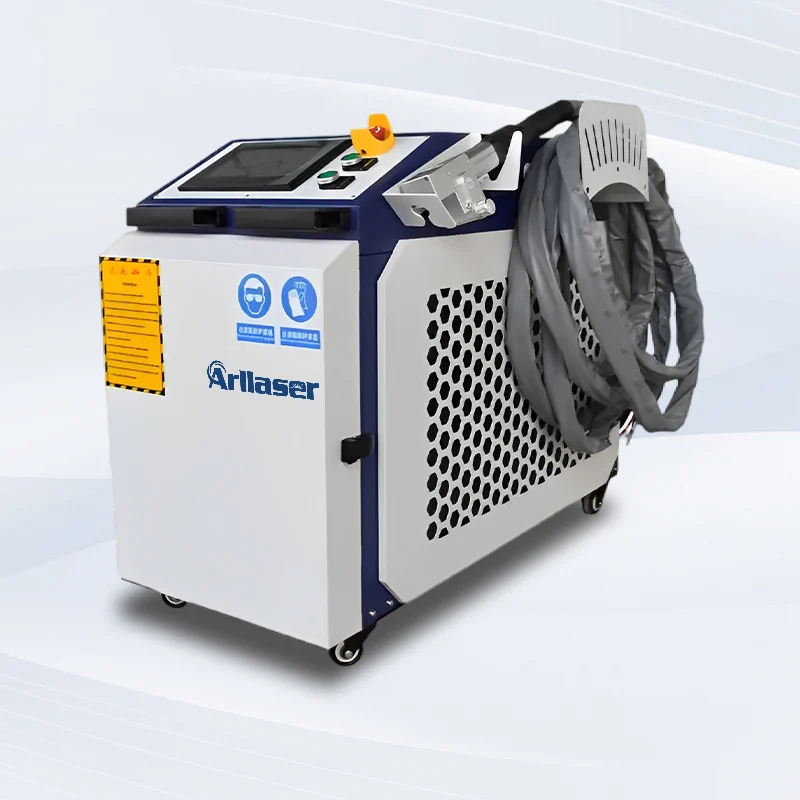
Revitalizing Classic Rides Through Advanced Laser Tech
Breathing new life into vintage, classic, or heavily weathered vehicles has always been a true labor of love for passionate enthusiasts and professional builders alike. Gearheads, dedicated collectors, and professional restoration shops usually remember this craft as a grueling battle against endless manual scraping, messy chemical baths, and aggressive sandblasting. For generations, fighting the relentless spread of iron oxidation meant accepting an unfortunate trade-off: getting down to bare metal often required sacrificing sheet thickness, thinning out delicate body panels, and ultimately compromising structural soundness. Today, however, industrial manufacturing standards have shifted dramatically, bringing sophisticated optical innovations directly into the automotive garage and fabrication workshop. Among these modern breakthroughs, advanced laser rust removal has quickly become the go-to standard for preserving vehicle structural integrity while safely erasing decades of stubborn corrosion, old primer, and cracked paint. Drawing from hands-on shop floor experience in metal fabrication, this comprehensive overview explores why fiber laser cleaning is completely transforming how workshops restore vintage classics back to showroom glory.
The Science Behind Selective Energy Absorption
Understanding why laser cleaning outperforms old-school prep work comes down to basic physics and precise optical interaction. When a high-frequency pulse of fiber laser light strikes a rusted or paint-coated automotive panel, the specific molecular bonds of the iron oxide and surface grime absorb the concentrated optical energy instantly. This rapid energy transfer causes the unwanted contaminants to vaporize and turn directly into gas without transferring damaging thermal heat into the underlying structural metal. Unlike traditional abrasive blasting—which tends to chew up good metal, thin out fragile body panels, and leave behind deeply embedded grit—laser cleaning works through natural self-limitation. Once the oxidation layer vanishes completely, the healthy bare metal safely reflects the remaining light away. This incredible selectivity guarantees zero thermal warping, keeping the original, factory-stamped contours of delicate body curves and chassis rails entirely intact. Furthermore, modern optical equipment design allows precise control over beam delivery, ensuring uniform treatment across uneven geometries without requiring excessive operator fatigue or specialized physical conditioning.
Weighing Laser Efficiency Against Conventional Methods
To grasp the true commercial value of fiber laser technology in a modern shop environment, comparing it side-by-side with conventional cleaning methods is essential. Chemical rust removers often demand hazardous disposal procedures, release unpleasant fumes, and can easily seep into hidden body seams and overlapping panel joints, triggering silent, delayed corrosion later on. Meanwhile, traditional sandblasting and media blasting generate massive clouds of abrasive dust, warp thin sheet metal due to friction heat, and demand tedious hours of post-cleanup. On the flip side, advanced handheld fiber laser systems deliver a remarkably clean, eco-friendly, and non-contact workflow. With zero chemical consumption and minimal waste residue captured easily via local air extraction, modern shops slash environmental compliance overhead while drastically boosting daily operational efficiency and shop safety standards. Additionally, adopting laser cleaning reduces the physical toll on technicians, creating a much cleaner, healthier, and more sustainable working environment for long-term operations.
Tackling Real Workshop Challenges on Vintage Projects
When tackling everyday restoration projects, laser cleaning systems prove their worth through sheer versatility across complex vehicle geometries. Whether stripping heavy frame rail scaling on an old utility truck chassis or gently peeling decades of old lead filler and weathered paint off tight fender curves, handheld laser cleaning heads let technicians reach tricky spots that traditional sanding pads or wire wheels simply cannot touch. Restoration experts frequently report saving massive amounts of labor time off full-frame projects, turning what used to be weeks of exhausting scraping into a fast, high-tech process. Furthermore, by completely eliminating the risk of micro-pitting caused by hard abrasive particles, the treated metal surface stays chemically clean, micro-etched, and instantly ready for superior bonding during subsequent welding or high-end painting stages, ensuring lasting durability for every restored automobile. Moreover, the precision of laser cleaning allows operators to work close to sensitive rubber trims, glass seals, and delicate wiring without causing accidental thermal damage or collateral wear during intensive restoration cycles.
Maximizing Operational Value and Supply Chain Reliability
Investing in advanced surface preparation equipment requires absolute confidence in the manufacturing partner behind the technology. Delivering robust industrial machinery, continuous engineering innovation, and dependable global supply chain services, Arllaser supports workshops worldwide with top-tier laser solutions. By integrating state-of-the-art fiber laser cleaning systems into daily operations, fabrication businesses can eliminate consumable costs and streamline production workflows. Backed by rigorous quality assurance and comprehensive technical assistance, Arllaser ensures that every facility receives reliable equipment designed to maximize long-term profitability, operational excellence, and unmatched surface preparation performance.