 EN
EN



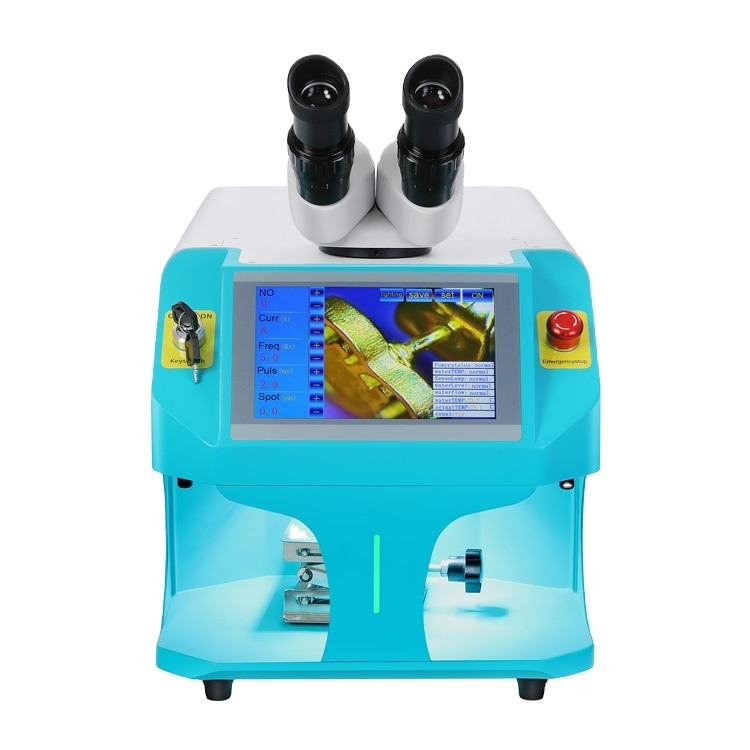
The Science of Precision: How Jewelry Welding Machines Transform Craftsmanship
The introduction of jewelry welding machines has changed how precise fine jewelry can be made, allowing craftsmen to create pieces that were simply impossible before with old fashioned tools. These modern systems combine careful control over heat levels with incredibly detailed workmanship capabilities. They tackle problems that used to plague jewelers working with delicate materials. Think about those tiny gemstone settings or super thin gold sections that would melt under traditional methods. Now artisans can handle these tricky parts without damaging them, which explains why so many high end jewelry makers are switching to this technology for their most intricate designs.
Understanding Precision in Jewelry Welding and Its Impact on Craftsmanship
How accurately a jeweler welds makes all the difference for how long a piece lasts, looks good, and keeps those precious stones securely set. Manual soldering just isn't reliable enough because it tends to create hot spots that can ruin delicate designs. With today's jewelry welding equipment though, technicians control the heat application down to tiny fractions of a millimeter. The result? No more unwanted warping in intricate filigree patterns that would otherwise distort over time. Plus these machines protect fragile components such as painted enamels or heat-sensitive opals from getting damaged during the process. Many experienced jewelers have switched to this method simply because it gives them peace of mind knowing their creations won't crack under stress later on.
How Laser Welding Ensures Micron-Level Accuracy in Fine Details
The laser systems used in jewelry work can concentrate energy into beams thinner than a strand of hair, somewhere around 50 to 200 microns across. This lets jewelers do all sorts of delicate tasks like welding those tiny jump rings or fixing pavé settings without knocking loose nearby stones that might otherwise get damaged. Take repairing a broken platinum prong that holds a diamond stone as an example. With these lasers, the fix takes under three milliseconds of exposure time. That's fast enough to mend the damage while keeping most of the heat away from the actual gemstone itself, which is really important since diamonds can be sensitive to excessive heat during repairs.
Comparing Traditional Soldering with Modern Jewelry Welding for Control and Consistency
Old school soldering typically involves using open flames along with various filler materials, which can lead to noticeable seams forming or even accidentally melt delicate parts of intricate designs. Jewelry welding equipment offers something different though it works through cold welding processes instead. These machines cut down heat levels substantially when compared to traditional torch methods maybe around half as hot actually. The lower temperature makes all the difference for jewelers who need to connect different types of metals like gold with titanium without worrying about unwanted alloy mixing. Plus, they get better control over how deep each weld goes into complicated shapes and structures that would be tough to handle with standard techniques.
Data Point: 92% Reduction in Material Deformation Using Laser-Based Systems (Journal of Gemmological Science 2022)
A 2022 study analyzing 1,200 repairs found laser welding caused only 0.8% of pieces to require post-weld reshaping—a 92% improvement over conventional soldering. This leap in precision has made laser systems indispensable for high-value restoration projects and avant-garde design studios pushing the limits of metallic art forms.
How Does Laser Welding Jewelry Work? A Technical Breakdown
In jewelry welding, machines take electricity and turn it into a really focused light beam using lasers, usually fiber or solid state types. The beam goes through these special fibers and gets focused by lenses until it's narrowed down to about 0.1 to 0.3 mm wide. When it hits that tiny spot, the temperature shoots past 2,500 degrees Celsius, which melts precious metals almost instantly while leaving everything else around untouched. What happens next is pretty cool too. The metal solidifies so fast that it creates welds with seams as small as 50 microns. To put that in perspective, those weld lines are only about 1/20th as thick as a regular human hair. This level of control makes all the difference for delicate jewelry work where precision matters most.
Key Components of Jewelry Welding Machines Enabling Focused Energy Delivery
Four core subsystems ensure precision:
- Laser Generator: Produces coherent light at wavelengths optimized for gold, platinum, or silver absorption (typically 1,064 nm fiber lasers)
- Beam Delivery System: Mirrors and lenses focus energy with <0.01° angular deviation
- Pulse Controller: Adjusts burst duration (1–20 ms) and frequency (1–100 Hz) for precise heat input regulation
- Viewing System: Integrated 10x–50x magnification cameras enable real-time weld monitoring
This closed-loop system allows jewelers to weld jump rings as small as 0.3 mm or repair gemstone prongs without thermal damage to adjacent stones.
Heat Control and Structural Integrity in Delicate Jewelry Repairs
Minimizing Heat Damage During Welding for Sensitive Gem Settings
The pulsed laser tech keeps temperatures under 150 degrees Celsius around the work area, which is really important for stones that get damaged easily like opals that start breaking down at around 180C, and emeralds that can crack when exposed to over 250C heat. Jewelers working with this equipment have fine control over the laser beam timing down to tenth of a millisecond adjustments, so there's no sudden temperature changes that might harm pearls or other organic gem materials. Research published in 2022 by gemologists showed these laser systems cut down on heat damage risks by almost 92 percent when compared to traditional micro torch techniques used in jewelry repair shops.
Heat Control in Jewelry Welding Preserves Structural Integrity
Getting the right amount of energy to the work area stops unwanted annealing from happening in those tough alloys we deal with every day, especially important for fixing things like spring loaded clasps or tension set diamonds where precision matters most. When using beams that narrow down to about 0.2mm, the base metal stays pretty close to its original hardness level, only dropping around 5%. That's way better than what happens with traditional methods where metals can lose up to 35% of their hardness after repairs. What makes this technique so good is how it keeps delicate filigree work from warping during the process. And let's not forget about strength either platinum and 18k gold joints maintain tensile strength well over 650 MPa even after being worked on, which means they hold up just fine under normal wear and tear conditions.
Case Study: Restoring a Vintage Platinum Filigree Ring Using Laser Precision
A 1930s Edwardian ring with 0.3mm scrollwork required reattaching 12 broken connections without disturbing adjacent seed pearls. Laser welding achieved 0.05mm weld spots using 25W pulses at 2ms duration, completing repairs with:
| Parameter | Traditional Method | Laser Welding |
|---|---|---|
| Heat Spread | 1.8mm | 0.3mm |
| Pearl Temp Rise | 58°C | 9°C |
| Repair Duration | 3 hours | 47 minutes |
The restoration preserved original metalwork details while increasing joint strength by 40%, ensuring the heirloom could be worn safely.
Applications in Design and Repair: From Intricate Fabrication to Seamless Fixes
Joining small metal components in jewelry with seamless accuracy
Modern jewelry welding equipment can join tiny components such as prongs, hinge points, and chain segments with incredible accuracy. The focused laser beam produces clean connections even on super thin metals around 0.3mm thick without the risk of melting that comes with traditional torch methods. Research indicates these laser systems cut down on warping and distortion by roughly 90% compared to older approaches. This means better holding power for stones and overall stronger pieces that maintain their shape through repeated wear and handling.
Use of laser welding for intricate jewelry designs requiring zero filler
By eliminating the need for solder filler metals, laser systems allow designers to create floating settings, micro-pav© patterns, and hollow architectural forms. This zero-filler approach prevents contamination of precious metals and enables seamless joins in complex geometries—ideal for titanium statement pieces or platinum lacework impossible with conventional techniques.
Repairing intricate jewelry details using pinpoint laser targeting
Today's jewelry welding equipment makes it possible to fix heirloom items without taking apart delicate settings. Jewelers can mend those tiny broken filigree wires that are sometimes just under a tenth of a millimeter thick, patch up those almost invisible cracks in old enamel work, and even restore worn out prongs around gems that don't handle heat well like opals. According to a recent survey from last year among top jewelers, about four out of five professionals have started using laser systems for repairing older jewelry because these tools let them work incredibly close to sensitive materials without causing any heat damage.
Future Trends: Advancements and Market Growth in Jewelry Welding Machines
Emerging Trends in AI-Guided Laser Paths for Ultra-Fine Engraving Integration
Modern systems are integrating artificial intelligence to optimize laser trajectory planning, enabling engraving precision below 10 microns. AI algorithms analyze gemstone structures and metal densities in real time, adjusting energy output to prevent microfractures. This advancement supports intricate designs once limited to hand-engraving, merging traditional artistry with algorithmic accuracy.
Predicted 40% Market Growth in Laser Welding Machines for Fine Jewelry by 2027
According to Grand View Research, the jewelry laser welding market is expected to grow by around 40% by 2027 as more companies look for ways to make their manufacturing processes cleaner and more efficient. High-end jewelry makers are increasingly turning to these laser systems because they cut down on material waste by roughly 18 to 22 percent when compared to traditional methods. What's interesting is that despite all this efficiency gain, these operations still manage to meet those strict ISO 9001 quality requirements. The numbers tell a bigger story about how the entire jewelry industry is moving away from old school approaches and embracing automation and precision technology across the board.
Rising Adoption of Laser Welding in High-End Bridal Collections
Top bridal jewelry creators are turning to laser welding when working on platinum bands and intricate pavé settings where the joins need to disappear completely. According to recent data from the Goldsmiths Guild in 2023, around two thirds of high end ateliers have adopted laser technology specifically for fixing those tiny prongs on solitaires and stabilizing those microscopic beads in micropavé work. The whole industry is responding to what customers want these days: wedding rings and other precious items that look like they've been made by magic rather than machinery. These lasers are super focused, about half a millimeter wide, allowing jewelers to make those invisible connections without even touching the nearby gemstones during the process.
FAQ
What is a jewelry welding machine?
A jewelry welding machine uses focused laser technology to join, repair, or alter metal without causing damage to delicate materials like gemstones and enamel.
How does laser welding differ from traditional soldering in jewelry making?
Laser welding offers precise control over heat application, preventing hot spots and unwanted warping, unlike traditional soldering, which can cause damage to delicate jewelry designs.
What are the benefits of using laser welding in jewelry crafting?
Laser welding provides micron-level accuracy, reduces material deformation, and allows for detailed repairs and designs that are not possible with conventional methods.
Why are high-end jewelers switching to laser welding machines?
High-end jewelers prefer laser welding as it enhances precision, reduces material waste, and meets industry standards, making it ideal for intricate and valuable pieces.
What advancements are expected in the future of jewelry welding technology?
Future advancements include AI-guided laser paths for ultra-fine engraving and increased adoption in high-end jewelry collections, particularly in bridal designs.
Table of Contents
-
The Science of Precision: How Jewelry Welding Machines Transform Craftsmanship
- Understanding Precision in Jewelry Welding and Its Impact on Craftsmanship
- How Laser Welding Ensures Micron-Level Accuracy in Fine Details
- Comparing Traditional Soldering with Modern Jewelry Welding for Control and Consistency
- Data Point: 92% Reduction in Material Deformation Using Laser-Based Systems (Journal of Gemmological Science 2022)
- How Does Laser Welding Jewelry Work? A Technical Breakdown
- Key Components of Jewelry Welding Machines Enabling Focused Energy Delivery
- Heat Control and Structural Integrity in Delicate Jewelry Repairs
- Applications in Design and Repair: From Intricate Fabrication to Seamless Fixes
- Future Trends: Advancements and Market Growth in Jewelry Welding Machines
-
FAQ
- What is a jewelry welding machine?
- How does laser welding differ from traditional soldering in jewelry making?
- What are the benefits of using laser welding in jewelry crafting?
- Why are high-end jewelers switching to laser welding machines?
- What advancements are expected in the future of jewelry welding technology?