 EN
EN



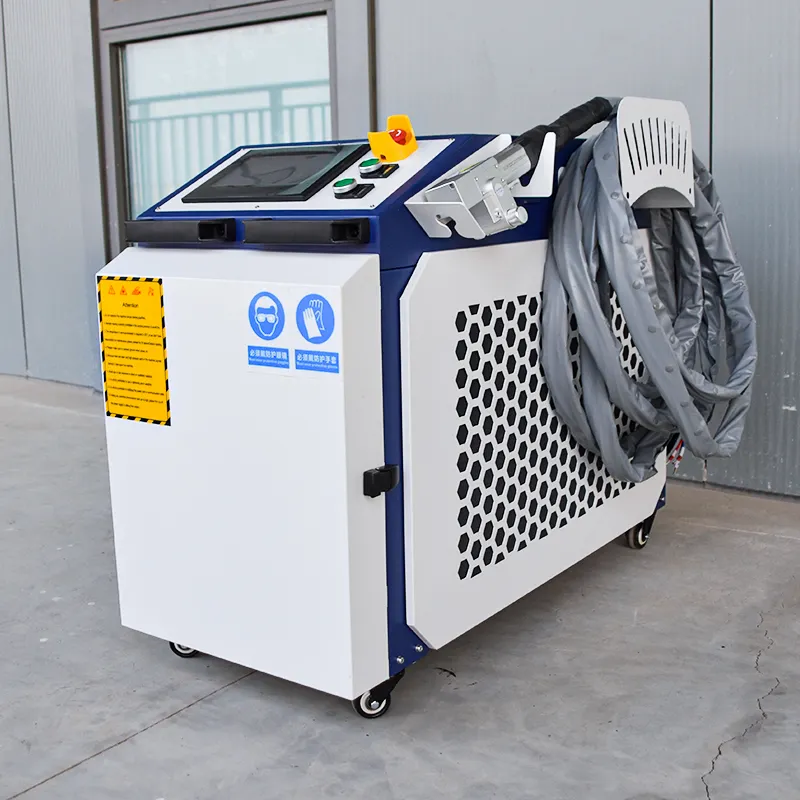
How Laser Cleaning Machines Work: Principles and Core Technology
Understanding how a laser cleaning machine operates reveals its efficiency and precision. This technology leverages advanced physics and robust engineering to remove contaminants without damaging substrates.
The Physics of Laser Ablation
Laser ablation works like this basically: when a powerful pulsed laser hits the surface, it goes after stuff we don't want there like rust spots, old paint layers, or oxide buildups that soak up all that laser energy pretty fast. What happens next? Well, the spot gets super hot locally, which makes those unwanted materials either turn into vapor, go straight from solid to gas (sublimation), or just pop off in tiny explosions. The good news is that whatever material lies underneath usually bounces back most of that laser power and stays cool as a cucumber. This selective heating means we can clean really sensitive surfaces without touching them at all. Think about aircraft parts made from special alloys or priceless historical objects in museums. No need for harsh chemicals or abrasive tools here. And let's not forget the bottom line benefits either. Traditional cleaning methods generate tons of dangerous waste, but laser cleaning changes that game completely. Plus, workers spend way less time on cleanup tasks these days, cutting down on labor costs by roughly half according to industry reports.
Key Components: Laser Source, Scanning System, and Safety Features
Laser cleaning machines are built around three main components that work together. First there's the laser itself, usually either a fiber optic model or a pulsed Nd:YAG system. These generate controlled bursts of intense light tailored specifically for different materials they need to clean. Next comes the scanning mechanism which uses those tiny mirror systems called galvanometers to guide the laser beam across complicated shapes. The precision here is amazing, getting down to microns while covering areas faster than 10 square meters per hour. This makes sure every spot gets treated consistently time after time. Lastly, these machines come packed with safety measures. They have sealed enclosures rated Class 1 for protection against radiation exposure, plus interlock systems that stop the beam if something goes wrong. Real time monitoring keeps track of everything happening inside, and sensors automatically shut things down when needed. All this meets the strict IEC 60825-1 safety standards and gives peace of mind even when operators aren't standing right next to them during production runs.
Industrial Applications of Laser Cleaning Machines
Precision Cleaning in Automotive and Aerospace Manufacturing
Laser cleaning plays a vital role in automotive and aerospace manufacturing where clean surfaces are essential before any welding, bonding work, or coating application happens something that affects both the strength of structures and meets all those strict regulations. The process takes care of getting rid of stuff like oils, various release agents, and those pesky thin oxide layers off parts such as aluminum engine blocks, titanium pieces used in aircraft frames, even carbon fiber composites. What makes it special is that it does all this removal without messing with the metal's actual properties or changing how big or small things need to be. Manufacturers have seen their coating adhesion rates jump around 40 percent better after using lasers instead of traditional methods. Plus there's been roughly a third fewer cases needing to redo work because of surface issues. These improvements really help companies chase after those ambitious zero defect targets they set themselves these days.
Rust, Oxide, and Coating Removal in Metal Fabrication
Laser cleaning works really well for big industrial jobs like fixing up ship hulls, rehabilitating pipelines, or maintaining molds. It gets rid of stubborn rust, mill scale, and old coatings on different metals including steel, stainless, and cast iron. Compared to traditional methods like sandblasting or using acids, there's no messy waste to deal with later. Companies save money since they don't have to contain blasting media anymore. Plus, it doesn't damage the metal surface or create those dangerous hydrogen embrittlement issues that can happen with other techniques. Real world tests show factories cutting their downtime by around 40%. What used to take days now gets done in just a few hours when cleaning entire surfaces of large equipment.
Selecting the Right Laser Cleaning Machine: Key Buying Criteria
Laser Type (Fiber vs. Pulsed Nd:YAG) and Power Requirements
The right laser setup really depends on what exactly needs to be done. Fiber lasers pack quite a punch with their average power range between 200 and over 500 watts, making them great for taking off paint layers, stubborn rust spots, or those tough coatings that stick around on flat surfaces or things that are only slightly curved. Then there are these pulsed Nd:YAG lasers which don't have as much average power but can produce those super intense short bursts of energy. That makes them perfect for delicate jobs where heat might damage sensitive materials such as thin metal tubes or electronic device casings. When picking power levels, it's all about matching the job requirements. For light surface oxidation stuff, anything below 100 watts usually gets the job done fine. But if we're talking about serious industrial stripping operations running continuously, going above 350 watts becomes necessary. Industry insiders say that when properly matched to specific tasks, fiber laser systems clean up to 40 percent quicker compared to standard pulsed options available on the market today.
| Feature | Fiber Laser | Pulsed Nd:YAG |
|---|---|---|
| Contaminant | Paint, heavy rust | Oxides, thin coatings |
| Speed | High-throughput | Moderate precision |
| Maintenance | Lower cost | Higher complexity |
Automation Compatibility and Integration with Production Lines
Getting industrial systems up and running requires everything to work together smoothly. When selecting equipment, focus on machines that speak the same language as existing infrastructure through standard protocols like EtherCAT, PROFINET, or Modbus TCP. These connections make it possible for programmable logic controllers to communicate directly while maintaining precise motion control across multiple axes. When integrating robots into production cells, check if they play nice with popular brands such as KUKA, ABB, and Fanuc. Look specifically at whether these systems offer proper mounting solutions rated for actual payloads and include those handy sensors that detect when something goes wrong during operation. Machines that come ready with built-in fume extraction systems, safety locks that stop operations automatically in case of emergencies, and meet Class 1 standards save headaches later on since they already comply with OSHA and CE regulations. The numbers tell an interesting story too: automated laser cleaning technology cuts down on labor expenses by around two thirds compared to traditional sandblasting techniques according to recent industry reports from 2023. Plus, having remote diagnostic tools means problems can be spotted before they cause major downtime, keeping production lines running longer between maintenance cycles.
ROI and Operational Advantages Over Traditional Cleaning Methods
The bottom line on laser cleaning? It pays off big time when looking at both day-to-day operations and what happens over years of use. Sure, getting started costs more than setting up blasting cabinets or solvent tanks, but think about all those ongoing expenses that disappear. No more buying abrasives, solvents, or replacing filters month after month. Supply bills can drop by around 70% once companies switch over. And maintenance? Pretty much nothing compared to traditional methods. A good quality fiber laser will keep running strong for over 50 thousand hours before needing major work, which beats out the lifespan of most high pressure pumps or blast nozzles hands down. When it comes to productivity, these systems work their magic fast too. Automated lasers typically finish jobs 3 to 5 times quicker than manual cleaning does, meaning fewer production line stops and faster turnaround times across the board. Many factories report getting their money back within just 18 to 36 months after installation. Plus there's the whole mess of hazardous waste to consider. Traditional methods create tons of dangerous materials that need special handling and disposal according to EPA, REACH, and OSHA rules. With lasers, this problem goes away completely, saving companies from costly waste management fees, paperwork headaches, and potential legal troubles down the road.