 EN
EN


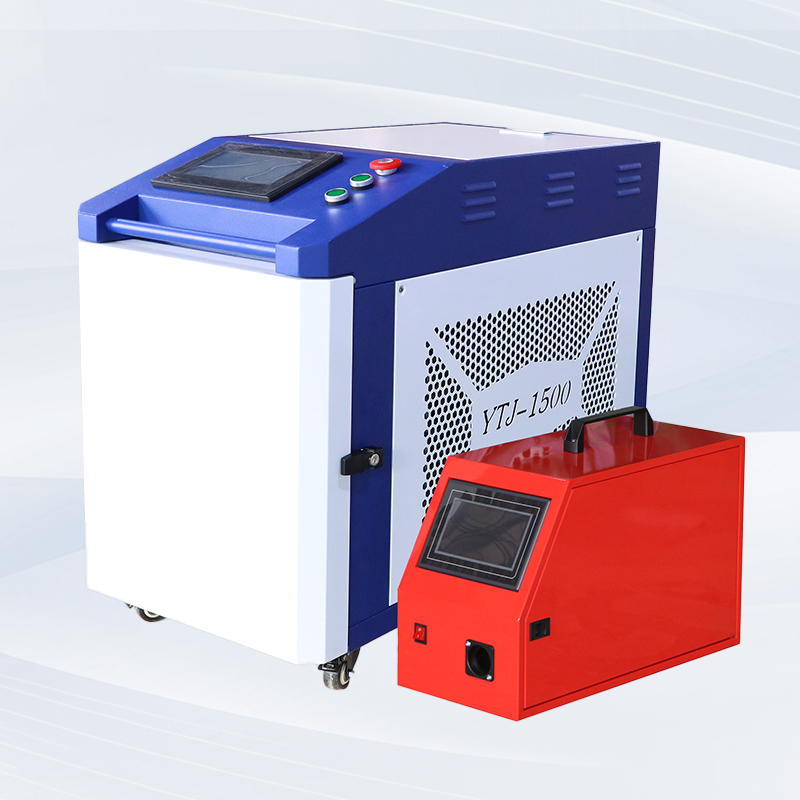
Laser Cleaning Tips: Getting the Best Results from Handheld Rust Removal Tools
Handheld fiber laser cleaning machines have transformed the landscape of industrial maintenance, providing a highly precise, non-contact method to replace traditional abrasive scrubbing or chemical stripping. As more professionals transition to laser ablation for rust removal, mastering the nuances of handheld operation becomes essential for maximizing both efficiency and surface integrity. Whether working in aerospace, automotive manufacturing, or heavy machinery restoration, optimizing specific parameters ensures superior results that stand the test of time.
Mastering Laser Parameters for Different Surface Needs
The true versatility of a handheld laser cleaner lies in its capacity to be calibrated for various surface contaminants. A common mistake often made by beginners is applying the same settings for deep, thick oxidation as for light paint removal. To achieve professional-grade results, operators should focus on the relationship between scan speed, frequency, and pulse width. Lower frequencies generally deliver higher energy per pulse, which is ideal for breaking down stubborn layers of heavy rust. Conversely, higher frequencies are better suited for achieving a smoother finish on delicate metal surfaces. A highly recommended practice is to test a small, inconspicuous area of the material before starting the full cleaning process. This simple step prevents unnecessary substrate damage and helps in finding the optimal pulse overlap for the specific project at hand.
Ensuring Uniformity through Consistent Standoff Distance
Uniformity is the hallmark of any high-quality surface preparation job. The effectiveness of the laser beam is heavily reliant on the standoff distance, which is the physical space between the laser head and the workpiece. If this distance fluctuates during operation, the energy density on the surface changes, leading to an inconsistent cleaning result that might look patchy or uneven. Experienced operators often take advantage of built-in guide wheels or distance-sensing features on their equipment to maintain a perfectly fixed focal point. Keeping the laser head perpendicular to the surface at all times is crucial, as it minimizes irregular heat affected zones and ensures that the beam energy is spread evenly across the entire target area. Maintaining this consistency transforms a manual process into a professional, repeatable workflow.
Prioritizing Safety and Protective Maintenance
While laser cleaning is a much greener, more sustainable technology compared to harsh chemical alternatives, it still requires strict adherence to safety protocols. Reflective light from the metal workpiece can pose significant hazards to both eyes and skin, making the use of certified laser safety glasses mandatory at all times. Beyond individual safety, regular machine maintenance is critical for long-term reliability. During the cleaning process, dust, metallic particles, and fumes can settle on the protective lens, which drastically reduces laser power and operational efficiency. Setting up a routine inspection schedule—checking the cover lens for debris and ensuring the cooling system remains free of obstructions—is essential for sustaining high-performance output in demanding industrial environments.
Strategic Integration into Manufacturing Workflows
In today’s competitive B2B manufacturing environment, time is undoubtedly a critical asset. Beyond simple rust removal, laser cleaning acts as an enabler of quality assurance in downstream processes such as welding or protective coating. By ensuring a pristine, oxide-free surface, operators eliminate the common causes of weld porosity and coating failures that often plague industrial production lines. Arllaser is committed to supporting operational success by providing reliable, high-performance laser solutions. With a focus on deep manufacturing expertise and the design of robust, efficient equipment, Arllaser delivers a comprehensive approach to surface preparation that enhances the reliability of final products. Whether a facility is upgrading its current capabilities or scaling up production volume, Arllaser offers the professional support and advanced technology required to keep operations at the forefront of the industry.
Advancing Industrial Efficiency through Smart Tools
Adopting handheld laser cleaning technology represents more than just a simple equipment upgrade; it is a strategic investment in long-term quality and operational efficiency. By fine-tuning laser parameters, maintaining a consistent standoff distance, and adhering to rigorous maintenance and safety protocols, facilities ensure that their daily operations yield high-quality, consistent results. As these professional practices are integrated into the daily routine, the full potential of these cleaning tools is unlocked. This transition effectively turns routine maintenance into a value-added stage of the production chain, ensuring that every metal surface is perfectly prepared for its next life cycle. Consistent, high-quality maintenance practices ultimately drive better productivity and stronger product reliability in the global market.
Table of Contents
- Laser Cleaning Tips: Getting the Best Results from Handheld Rust Removal Tools
- Mastering Laser Parameters for Different Surface Needs
- Ensuring Uniformity through Consistent Standoff Distance
- Prioritizing Safety and Protective Maintenance
- Strategic Integration into Manufacturing Workflows
- Advancing Industrial Efficiency through Smart Tools