 EN
EN


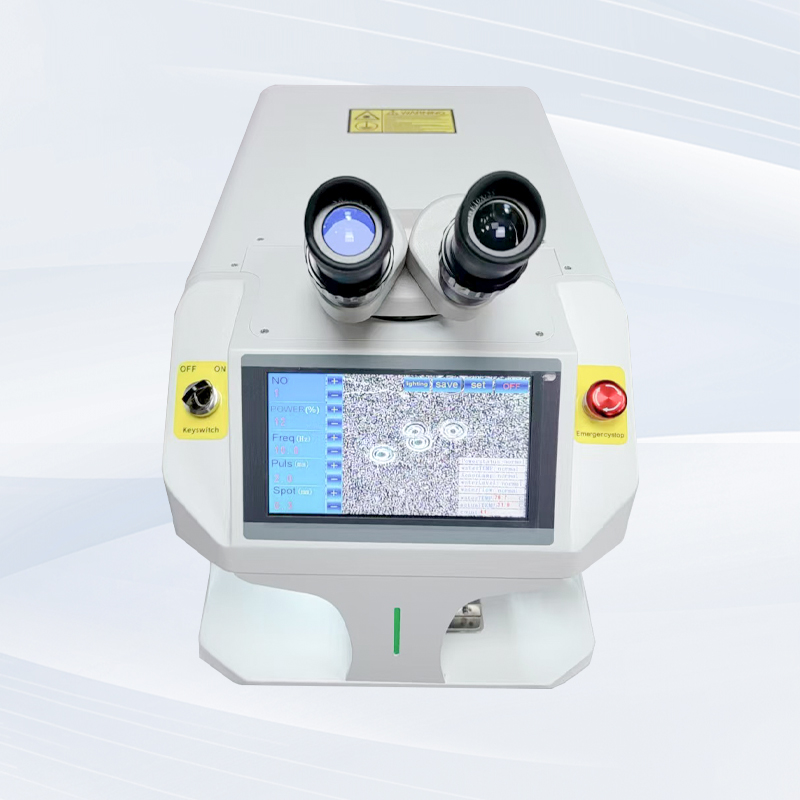
Laser Marking Machine Troubleshooting Tips
Industrial production lines depend heavily on the precision and unwavering reliability of laser marking technology to ensure seamless traceability and branding consistency. When a laser marking system encounters unexpected downtime, the consequences ripple through the entire manufacturing schedule, leading to lost time, delayed shipments, and decreased operational throughput. Maintaining a continuous, high-efficiency production environment requires not just high-quality machinery, but also a proactive, hands-on approach to common technical hurdles. By deeply understanding the underlying mechanics and common failure points of laser systems, operators and maintenance teams can resolve minor issues before they escalate into major disruptions, ensuring that efficiency remains the standard throughout every shift.
Addressing Clarity and Precision Issues
One of the most frequent technical frustrations in a production environment involves a noticeable loss of marking clarity or partial image output. In many instances, this is not a sign of catastrophic internal failure, but rather a simple matter of focus, lens condition, or system alignment. The focal distance between the laser head and the target surface is critical; even slight, unnoticed deviations during the setup process can result in blurred or incomplete marking. Before assuming an expensive optical component is defective, technicians should verify that the target surface is properly positioned precisely within the focal plane. Regular, systematic inspections of the focusing lens for dust, fine debris, or microscopic oxidation are equally vital, as surface contamination often disperses the laser energy, rendering the output weak. Keeping the optical pathway pristine and ensuring that the marking software parameters perfectly align with the specific material properties are fundamental, non-negotiable steps toward restoring high-resolution outputs.
Navigating System Connectivity and Software Communication
Modern laser marking relies heavily on the complex integration between specialized control software, internal control boards, and hardware interfaces. Communication interruptions, such as software freezing or command failure, are often linked to driver conflicts, outdated firmware, or simple data cable interference. In busy, high-frequency industrial environments, external electromagnetic interference can occasionally disrupt the stable, delicate transmission of signals between the host computer and the control card. Troubleshooting should always begin with checking the integrity of physical connections and confirming that all drivers are fully compatible with the current operating system. Standardizing the communication environment—ensuring that all software updates are applied correctly and that external electrical interference is shielded or minimized—is the absolute key to maintaining a responsive, seamless interaction between the human operator and the machine interface.
Thermal Management and Component Longevity
The operational life and consistency of any laser marking system are inextricably linked to effective, ongoing thermal management. Lasers generate significant internal heat during high-speed marking cycles, and without adequate cooling, sensitive components may experience performance degradation or trigger an automatic, safety-driven shutdown. Monitoring the chiller unit’s performance is a proactive troubleshooting step that should never be overlooked or dismissed. Ensure that coolant levels remain within the recommended range, that the internal circulation flow is completely unrestricted, and that the cooling fans are functioning without obstruction from factory dust. Recognizing the early, subtle signs of thermal overload—such as a gradual, unexplained drift in marking depth or abnormal, high-pitched noise from the cooling system—allows for timely intervention, effectively preventing long-term, irreversible damage to the laser source and the primary power supply.
Shifting Toward a Proactive Maintenance Culture
True, long-term reliability is always built on a solid foundation of preventive care rather than reactive, emergency repair. While effective troubleshooting helps resolve immediate obstacles, the most efficient production environments thrive on scheduled, rigorous maintenance routines. Periodic calibration of the galvo-scanner, consistent cleaning of protective glasses, and routine backups of complex marking configurations are simple yet incredibly powerful habits that drastically extend equipment longevity. This shift in mindset transforms the role of maintenance from fixing broken tools to actively managing the continuous, peak health of an industrial asset. By prioritizing these preventive measures, facilities can achieve far more consistent results and gain much greater confidence in the ability to meet even the tightest, most demanding production deadlines.
The Arllaser Advantage in Reliable Production
Ensuring that a marking system operates at peak performance day in and day out requires a partner that truly understands the intricate, multifaceted technical demands of modern manufacturing. Arllaser serves as far more than just a standard equipment manufacturer; it provides a comprehensive, responsive support network designed to help partners navigate any operational challenge, large or small. Through deep, accumulated technical expertise and a steadfast focus on industrial-grade durability, Arllaser builds systems that are specifically engineered to minimize common failure points from the outset. When technical guidance is urgently needed, instant access to expert diagnostics and a stable, reliable supply chain for critical replacement components ensures that any potential downtime is kept to an absolute, industry-leading minimum. By choosing Arllaser, businesses gain a dedicated partner committed to providing high-performance marking solutions, remote technical assistance, and the essential practical knowledge necessary to sustain long-term operational success. This unwavering dedication to excellence supports global manufacturing partners in their constant pursuit of seamless, reliable, and high-quality production outputs, setting a new benchmark for what professional industrial marking should achieve.