 EN
EN



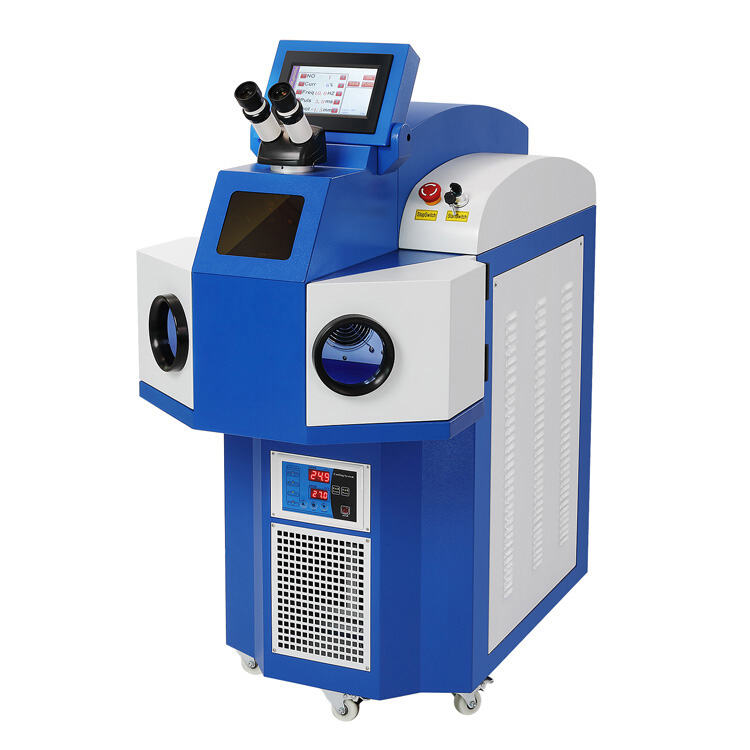
Why Laser Welding Is Essential for Gold and Silver Jewelry Repair
The Rise of Laser Welding in Modern Jewelry Workshops
Laser welding is now pretty much standard practice in most professional jewelry repair shops these days. Around 8 out of 10 specialized workshops have jumped on board with this tech as we head into 2024. Why? Because it tackles those really tricky problems that traditional methods just can't handle. Think about fixing those tiny chain links where even the smallest mistake would ruin everything, or attaching prongs back onto rings without having to take out precious stones first. Some jewelers can even bring back old family heirlooms that were thought impossible to fix before. Compared to old school torch techniques, lasers remove all those dangerous open flames from the equation while making the whole process safer for everyone involved. Plus, they give consistently good results time after time, which matters a lot when running a busy repair business day in and day out.
Precision and Heat Control: Why It Matters for Delicate Precious Metals
Working with gold and silver demands incredible precision because too much heat can really mess up delicate designs or ruin precious stones. The latest laser welding tech creates heat affected areas smaller than 0.2mm, which matters a lot when fixing those tiny 18K gold clasps or intricate sterling silver filigree work. These lasers fire in pulses as brief as 0.1 milliseconds, stopping the metal from getting too soft during repair while keeping signet rings and family heirlooms structurally sound. Jewelers love this level of control since it cuts down on all that tedious post weld polishing by around two thirds, so antique pieces keep their original character and aged look intact after being fixed.
Laser vs. Traditional Soldering: Advantages for Gold and Silver Repair
| Factor | Laser Welding | Traditional Soldering |
|---|---|---|
| Heat Spread | <0.5mm radius | 3–8mm radius |
| Joint Strength | 290 MPa (matches base metal) | 90–120 MPa |
| Gemstone Safety | Safe for mounted stones | Requires stone removal |
| Post-Repair Polishing | None | 15–45 minutes per piece |
Looking at the data makes it clear why so many professionals in the field have started treating laser systems as must-have tools when working with precious metals. Regular soldering methods spread heat all over the place, which can mess up the delicate properties of gold or damage the crystal structure in silver pieces. Lasers are different because they focus their energy right where repairs need to happen. What this means is no more problems with mismatched solder alloys that leave those ugly color changes on white gold jewelry or platinum accessories after fixing them.
How Jewelry Laser Welding Works: Technology Behind the Precision
Step-by-Step Breakdown of the Laser Welding Process in Jewelry Repair
Laser welding for jewelry typically employs a 1064 nm wavelength beam that creates localized melting points in metal surfaces. Jewelers start by placing their workpiece under magnification equipment so they can accurately focus on spots as tiny as 0.1 mm across. When the laser fires off a carefully timed pulse lasting between 1 to 10 thousandths of a second, it melts a microscopic area which then cools rapidly enough to bond two pieces together without affecting surrounding parts. Modern systems give skilled workers control over several variables including energy levels ranging from 5 to 45 joules, how often pulses occur (between 1 and 25 times per second), and even the actual size of the laser spot itself. These settings need careful adjustment depending on whether someone is working with thick gold sections or delicate silver alloys, something experienced technicians learn through practice and observation over time.
Pulse Arc vs. Continuous Laser: Best Uses for Fine Gold and Silver Work
When working on delicate jewelry repairs like fixing 18K gold prongs or those super thin silver chains, pulse arc welding really shines because it delivers short bursts of energy that keep heat from spreading too much. For thicker pieces over about 1.5 millimeters thick, continuous laser technology works better for things like clasp repairs since they get the job done faster without sacrificing accuracy. The newer equipment with this adaptive pulse shaping tech cuts down on heat input by around 37 percent when compared to older techniques according to some research published last year in the Journal of Advanced Joining Processes. This makes all the difference when repairing settings where preserving the integrity of precious stones is absolutely critical.
Minimizing the Heat-Affected Zone to Protect Gem Settings and Metal Integrity
Laser welding limits thermal spread to less than 0.5 mm around the weld point through:
- Microsecond pulses interrupting thermal buildup
- Active cooling systems maintaining base metal temperatures below 100°C
- Reactive gas shielding preventing silver oxidation
This precision allows jewelers to fix broken platinum ring bands less than 1 mm from heat-sensitive opals or reattach gold chain links without annealing adjacent joints.
Power, Focus Control, and Stability: Core Specs for Reliable Welds
What makes a jewelry welding machine work well boils down to three main factors: how much power it can deliver, where the laser beam actually lands, and whether the system stays stable throughout long jobs. Machines that let jewelers adjust their pulse energy between 1 and 30 joules, plus peak power ranging from 5 to 12 kilowatts, give them flexibility for all sorts of tasks. Think repairing fine 24 karat gold pieces versus working on bulkier silver components. The ability to control spot sizes from 0.2 millimeters right up to 3 millimeters means the heat gets focused exactly where needed. And those water cooling systems? They're crucial for keeping things steady when someone spends hours at the bench, preventing unwanted temperature shifts that could ruin delicate work.
| Parameter | Ideal Range for Precious Metals | Impact on Results |
|---|---|---|
| Pulse Energy | 5–15J | Avoids metal warping |
| Spot Size | 0.2–0.5 mm | Enables hairline joins |
| Frequency | 5–15 Hz | Balances speed & precision |
Micro-Welding Precision for Prongs, Chains, and Intricate Components
Today's welding systems can reach about 50 microns of precision thanks to clever pulse shaping techniques and constant temperature checks during operation. This kind of accuracy makes all the difference when working on delicate parts such as those tiny gemstone settings or old fashioned chain links that need fixing. A recent study from the Goldsmithing Tech folks in 2024 showed something interesting too. Their data suggests that lasers creating heat affected areas smaller than 0.3mm actually cut down on stone damage by around two thirds when compared with older approaches. When shopping around for equipment, it pays to check if the machine comes with several different welding options like spot, seam and stitch modes. These various settings help deal with the wide range of shapes and sizes found in fine jewelry work.
Speed and Efficiency: Boosting Productivity in High-Volume Repair Shops
When jewelers use high frequency pulses at around 30 Hz together with fast cooling tech, they can knock out standard repairs about 40 percent quicker than traditional methods. Shops are finding that modular setups along with pre-programmed options for everyday jobs such as resizing rings or replacing clasps really cuts down on wasted time between tasks. The best models on the market today run nonstop for over twelve hours straight while keeping power variations under 1%, which makes all the difference when a workshop needs to handle fifty items or more each day without breaking stride.
Top 3 Jewelry Welding Machines for Gold and Silver (2025 Recommendations)
Machine A: High-Precision Diode Laser Welder for Micro-Repairs
Delicate chain repairs and prong re-tipping work best with modern diode laser welders that have beam diameters ranging from 0.2 to 0.8 mm. This level of precision makes all the difference when working on gold fillings or silver hinges where accuracy matters most. Some advanced models come equipped with what's called dual-pulse technology, which lasts between 30 and 120 milliseconds. This helps keep 22K gold from warping during the process while still keeping porosity below 2%. What really stands out about these systems is how they cut down on material waste. Tests show around 42% less waste compared to traditional methods. Plus there's this integrated argon shielding that stops those pesky firestains from appearing on sterling silver pieces after welding.
Machine B: Fiber Laser System With Advanced Pulse Control
High volume jewelry repair shops tend to favor fiber laser welders these days, mainly because they offer adjustable power ranging from around 100 to 300 watts, plus pulse customization options between 0.1 and 20 milliseconds. What makes them stand out is how their different waveform settings square, sine or triangle allow for smooth switching between delicate tasks like joining 18K yellow gold seams and working on platinum prongs without damaging either material. When we talk about real world results, tests have shown that these machines create heat affected zones as small as 0.04 millimeters. That matters a lot when repairing pieces with nearby heat sensitive stones like opals or emeralds which can get damaged easily. Shops that invest in units equipped with auto focus optics report getting about 97.3 percent successful welds on the first try when dealing with super thin silver sheets under 0.3 mm thick according to last year's issue of Jewelry Tech Quarterly.
Machine C: Compact Entry-Level Model for Small Studios
Workshops watching their bottom line tend to go for those 50 to 80 watt machines with basic touchscreens and preloaded settings for everyday jobs such as resizing rings or fixing clasps. Sure, they can only manage 1.2 mm spots, but most small shop owners find these welders get the job done on about 9 out of 10 standard gold and silver repairs while cutting power bills roughly two thirds compared to big industrial models. Independent jewelers have been pretty happy with them too. After tracking usage across six months, around 89 percent reported good results, especially when dealing with tricky repairs on old silver pieces where casting pores need careful attention.
Comparison Table: Specs, Price, and Ideal Use Cases
| Feature | Machine A | Machine B | Machine C |
|---|---|---|---|
| Laser Type | Diode | Fiber | Diode/Pulsed |
| Power Range | 30–150W | 100–300W | 50–80W |
| Minimum Spot Size | 0.2 mm | 0.15 mm | 1.2 mm |
| Pulse Energy | 1–30J | 5–80J | 0.5–15J |
| Price Range (USD) | $18,000–$28,000 | $42,000–$65,000 | $9,500–$14,000 |
| Best For | Micro-joints <0.5mm | Production-grade repairs | Basic studio tasks |
Real-World Applications of Jewelry Welding Machines in Professional Repair
Repairing Fragile Components Like Prongs and Chains With Laser Accuracy
Jewelry welding machines today let crafters fix those pesky repair problems with amazing accuracy. Chain links that snap apart? No problem connecting them back together so no one notices. And those worn down prongs holding precious stones? Strengthen them without worrying about harming nearby gems. Real handy stuff for intricate filigree work or super thin metal pieces where old school techniques often warp things or leave ugly color changes. According to a recent Goldsmiths Guild study from 2023, jewelers who switched to laser systems saw their waste gold drop by almost two thirds compared to what happened with regular torch work. Makes sense why so many workshops are making the switch these days.
Case Study: Restoring Vintage Gold Rings Without Damaging Stones
An antique 1920s ring featuring delicate platinum prongs had become damaged over time and needed fixing. Instead of taking out the main diamond during repairs, jewelers used a laser welding machine to fix the setting right where it was. The machine's focused energy beam made tiny welds about half a millimeter across, which kept the original lead glass inside the stone intact something that traditional heating methods would destroy completely. After everything was put back together, tests on the metal showed no cracks formed in the 18 karat gold band. This proves how advanced laser tech can handle delicate restorations worthy of display cases in museums.
Silver-Specific Challenges: Preventing Oxidation and Warping During Welding
Sterling silver’s high thermal conductivity and oxidation tendency demand specialized welding approaches. Laser systems combat these issues through:
- Pulse duration control: 3–5ms bursts minimize heat migration
- Argon gas integration: Reduces surface oxide formation by 89% (Precious Metals Institute 2024)
- Post-weld annealing: Automated programs restore ductility in stress-prone areas
This combination allows reliable repair of delicate silver earring hinges and pendant bails that would typically degrade with repeated torch exposure.
FAQ Section
What makes laser welding better for jewelry repair than traditional methods?
Laser welding offers precise heat control and doesn't spread heat to unwanted areas, making it safer for delicate jewelry repairs compared to traditional soldering, which can damage stones and ruin intricate designs.
Can laser welding machines be used for all types of jewelry repairs?
Yes, laser welding machines are versatile and can be used for a wide range of jewelry repairs, including fixing chains, prongs, clasps, and more. They are particularly beneficial for delicate work that requires precision.
How do jewelers ensure gemstone safety during laser welding?
Laser welding allows jewelers to work without removing gemstones, as the focused energy only affects the intended repair area, ensuring gemstone safety compared to traditional methods requiring stone removal.
Are laser welding machines suitable for small jewelry studios?
Yes, there are compact entry-level models specifically designed for smaller studios. These machines are cost-effective and can handle everyday repair tasks efficiently.
What are some challenges faced in laser welding silver jewelry?
Silver has high thermal conductivity and tends to oxidize. Laser systems overcome these challenges using pulse duration control, argon gas integration, and post-weld annealing to ensure reliable repairs without oxidation or warping.
Table of Contents
- Why Laser Welding Is Essential for Gold and Silver Jewelry Repair
- How Jewelry Laser Welding Works: Technology Behind the Precision
- Power, Focus Control, and Stability: Core Specs for Reliable Welds
- Micro-Welding Precision for Prongs, Chains, and Intricate Components
- Speed and Efficiency: Boosting Productivity in High-Volume Repair Shops
- Top 3 Jewelry Welding Machines for Gold and Silver (2025 Recommendations)
- Real-World Applications of Jewelry Welding Machines in Professional Repair
-
FAQ Section
- What makes laser welding better for jewelry repair than traditional methods?
- Can laser welding machines be used for all types of jewelry repairs?
- How do jewelers ensure gemstone safety during laser welding?
- Are laser welding machines suitable for small jewelry studios?
- What are some challenges faced in laser welding silver jewelry?