 EN
EN


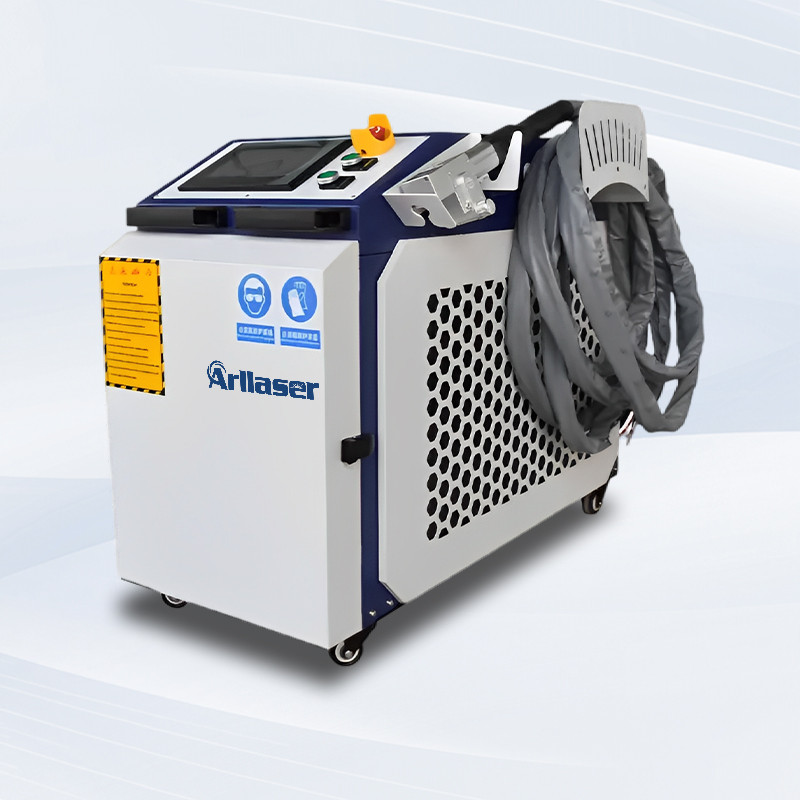
The Industrial Shift: Why Laser Rust Removal is the Future
The industrial world is undergoing a massive transformation in how metal components are maintained. For generations, crews relied on harsh sandblasting, messy chemical baths, or brute-force mechanical grinding to fight rust and oxidation. While these methods worked, they came with heavy baggage—toxic waste, massive cleanup efforts, and, quite often, unintended damage to the metal surface underneath. As we push into 2026, forward-thinking manufacturers are moving away from these outdated practices. Laser rust removal is no longer a futuristic novelty; it is the gold standard for those who demand precision, sustainability, and serious cost savings in their daily operations.
Understanding the Technology: Precision Beyond Conventional Methods
At the heart of a professional-grade laser cleaner is high-frequency, short-pulse fiber laser technology. Think of it as a clean, surgical strike against contaminants. The laser beam interacts with the surface and creates a rapid, plasma-like effect, causing the rust or paint layer to vaporize into dust in a split second. The most significant advantage here is that the base material remains perfectly intact. Engineers and floor managers understand that protecting the substrate is everything—traditional methods often pit or thin the metal, weakening the structure over time. By using light rather than physical abrasion, Arllaser systems ensure that the underlying surface remains untouched, preserving the exact dimensions and integrity of expensive precision parts.
Efficiency & ROI: The Economic Impact of Upgrading
Looking at the bottom line, the switch to laser technology pays for itself surprisingly fast. Consider the hidden costs of sandblasting: you have to buy the media, store it, clean it up after the job, and pay for the disposal of hazardous waste. Those costs stack up quickly. Laser systems, however, run on nothing but electricity. There are no consumables to track, no masks to change, and no secondary mess to clean up. For a busy shop, this translates into a 40% reduction in annual operational costs. Furthermore, since these systems can be easily integrated into automated production lines, manufacturers spend less time manually scrubbing parts and more time getting products out the door. It turns a tedious maintenance chore into an efficient part of the production flow.
Selecting the Right Equipment for Your Operations
Not every rust removal challenge is the same, and trying to use a "one-size-fits-all" machine is a recipe for frustration. For auto restoration or high-end aerospace work, operators need systems that offer delicate, variable pulse control to ensure that thin or sensitive substrates aren't damaged. On the other hand, heavy structural steel maintenance or ship repair requires brute force—think 3000W+ power ratings—to blast through thick, stubborn oxidation. Successful investment hinges on selecting a machine that offers modular software, allowing operators to switch between deep cleaning and light finish work instantly. It is about matching the tool’s output to the specific physical demands of the job at hand.
Ensuring Long-term Reliability: Maintenance and Safety
Industrial machines are only as good as the reliability they offer when the schedule is packed. Professional-grade laser cleaners must adhere to strict international safety benchmarks, including CE and FDA compliance. Beyond the hardware, operators should look for features like intelligent beam delivery and safety interlocks that prevent accidental firing outside the cleaning zone. Longevity also comes down to the basics: keeping the optics clean and ensuring the cooling system is running at peak performance. Investing in equipment backed by a manufacturer that provides clear technical training and responsive support is the best way to safeguard production uptime.
Partnering with Industry Leaders for Seamless Integration
Transitioning to advanced laser solutions is a big step, and it requires a manufacturing partner that truly understands the complexities of the factory floor. Arllaser has spent over a decade honing its R&D capabilities, delivering robust, high-performance laser equipment that performs reliably in more than 30 countries. Whether the requirement is for a rugged, standalone handheld unit or a fully integrated robotic cleaning cell, Arllaser focuses on precision engineering that drives real-world results. By offering everything from custom equipment configuration and hands-on technical training to a global supply chain that keeps spare parts moving, Arllaser ensures that production lines stay productive. Choosing the right partner isn't just about buying a machine; it's about gaining a dependable resource that supports the growth and success of the entire industrial operation.
Table of Contents
- The Industrial Shift: Why Laser Rust Removal is the Future
- Understanding the Technology: Precision Beyond Conventional Methods
- Efficiency & ROI: The Economic Impact of Upgrading
- Selecting the Right Equipment for Your Operations
- Ensuring Long-term Reliability: Maintenance and Safety
- Partnering with Industry Leaders for Seamless Integration