 EN
EN


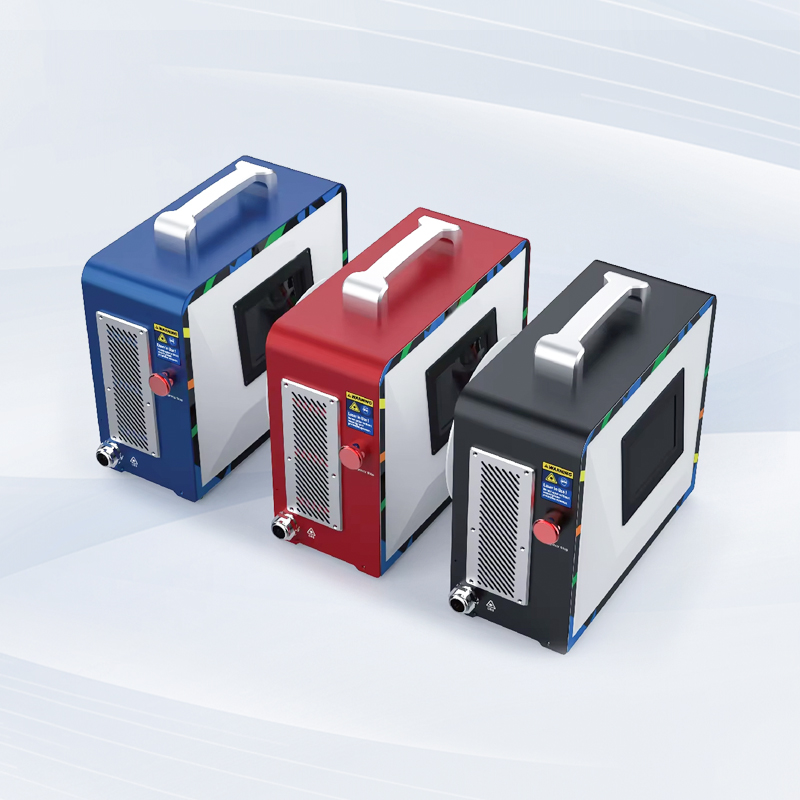
Mastering the Basics for Seamless Laser Engraving
For newcomers stepping into the world of industrial laser engraving, the precision of a laser system is both exhilarating and occasionally perplexing. Whether etching complex designs onto industrial-grade metal or marking serial numbers for automotive traceability, encountering a technical hurdle is simply an inevitable part of the learning curve. However, effective troubleshooting goes far beyond just "fixing" a temporary glitch; it represents a critical skill set that ensures continuous uptime, superior production quality, and the long-term preservation of industrial investments. Arllaser emphasizes that understanding the complex mechanics behind the laser light is the primary stepping stone toward true professional mastery, transforming how workshops handle daily production challenges.
Understanding Laser Machinery for Consistent Reliability
Reliable production starts long before a design file is ever uploaded. To troubleshoot effectively, operators must possess a clear, foundational understanding of the core components: the fiber laser source, the advanced optical lens assembly, and the integrated cooling system. Most "mystery" errors encountered in industrial workshops are actually predictable symptoms of neglected routine maintenance. For instance, the accumulation of microscopic dust particles on the focusing lens remains the most frequent culprit behind faded or inconsistent markings during high-speed production. Establishing a rigorous daily checklist—verifying coolant levels, confirming lens clarity, and inspecting high-flex cable connections—can successfully prevent over 80% of common operational interruptions before they manifest. Consistent, disciplined maintenance protocols act as the ultimate safeguard for machinery longevity and ensure that high-precision results are maintained shift after shift.
Practical Solutions for Common Operational Hurdles
When a technical snag occurs during active production, maintaining a systematic, logical approach is essential for a quick resolution. If markings appear inconsistent, faint, or erratic, the initial step should always be a thorough inspection of the entire optical path. Ensure the protective lens is impeccably clean, free from smoke residue, and that the focal length is set to absolute, surgical precision. If the control software fails to communicate effectively with the hardware control board, rule out common communication hiccups by verifying cable integrity, checking port settings, and ensuring the latest firmware drivers are correctly mapped to the system. For laser systems signaling overheating warnings or thermal alarms, the cooling unit becomes the primary focus of investigation. Ensuring that the ambient temperature of the workshop remains stable, dust-free, and that the chiller unit has unobstructed, consistent airflow is paramount to protecting the laser source from dangerous thermal stress and ensuring its operational lifecycle remains long and productive.
Troubleshooting Software and Calibration Nuances
Beyond physical hardware, software-related issues often cause significant confusion for operators. When patterns appear distorted or lack the expected depth, the issue frequently resides within the parameter settings of the marking software. Reviewing key variables such as power percentage, frequency, speed, and pulse width is vital. Many operators overlook the importance of file formats, which can lead to rendering errors during the conversion process. Regularly calibrating the red-light pointer against the actual laser spot ensures that what is seen on the screen is exactly what is engraved on the material. Taking the time to master these digital adjustments allows for more refined output and reduces the likelihood of wasted materials, proving that software competence is just as valuable as mechanical upkeep.
Knowing When to Engage Professional Technical Support
While self-directed troubleshooting builds operator confidence and deepens mechanical knowledge, recognizing technical limitations is equally critical for industrial safety and equipment integrity. Simple adjustments like routine surface cleaning, basic software calibration, or parameter resets are well within the standard operator’s daily scope. However, if symptoms suggest internal fiber laser source failure, complex software architecture glitches, or high-voltage electrical inconsistencies within the power supply, relying on expert guidance becomes necessary. Attempting to dismantle the delicate laser source, opening sealed enclosures, or tampering with internal circuit boards often leads to irreversible mechanical damage and may potentially void the equipment warranty. Utilizing dedicated technical support channels is not an admission of failure; rather, it is a strategic business decision designed to minimize prolonged downtime, prevent expensive component replacement, and ensure a safe, compliant working environment.
The Arllaser Advantage in Precision Manufacturing
The most effective strategy for resolving persistent, recurring troubleshooting issues is to invest in machinery engineered for industrial reliability from the very first day. Arllaser bridges the gap between sophisticated, complex laser technology and user-friendly industrial usability. The Arllaser research and development team continuously refines laser marking and cutting systems to ensure they meet stringent international CE and FDA standards, resulting in high-performance equipment that consistently stands up to the rigors of heavy-duty industrial use. Through a robust global supply chain and precise manufacturing capabilities, Arllaser delivers durable, efficient, and high-precision tools tailored to specific industrial needs. By providing comprehensive post-sales support—including expert online technical assistance, remote diagnostics, and rigorous installation training, Arllaser empowers manufacturing partners to focus on what matters most: scaling operations and achieving sustainable business growth. Choosing Arllaser signifies a commitment to long-term manufacturing excellence and reliable, high-performance production cycles that keep businesses moving forward.
Table of Contents
- Mastering the Basics for Seamless Laser Engraving
- Understanding Laser Machinery for Consistent Reliability
- Practical Solutions for Common Operational Hurdles
- Troubleshooting Software and Calibration Nuances
- Knowing When to Engage Professional Technical Support
- The Arllaser Advantage in Precision Manufacturing