 EN
EN



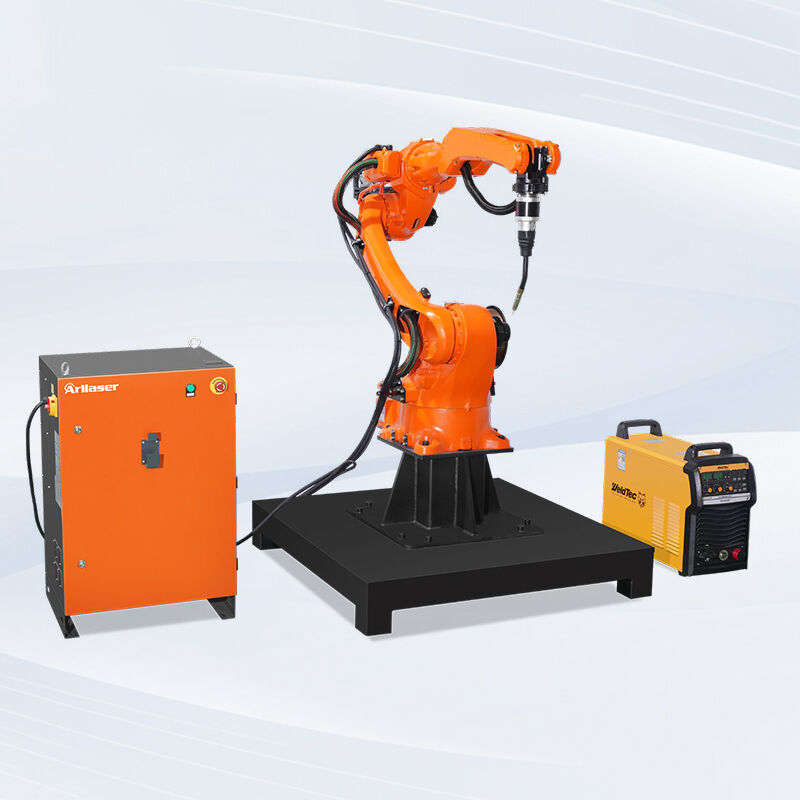
Understanding Laser Radiation Hazards in Robotic Laser Welding
Retinal injury risks from invisible 1-μm laser beams
Most industrial robotic laser welding systems work with near infrared light at about 1 micrometer wavelength, which humans can't see. The problem here is our eyes don't have any natural protection against this kind of radiation. People exposed might not even realize something's wrong until damage has already happened to their retinas. When focused laser energy hits the eye, it creates immediate heat damage that destroys the light sensitive cells in the back of the eye within fractions of a second. We've seen actual cases where workers lost parts of their vision or went completely blind after just one accidental exposure to reflected laser beams bouncing off metal surfaces. This differs from traditional arc welding where workers usually notice problems right away. With lasers, everything happens so fast and quietly that safety measures aren't just recommended they're absolutely necessary for anyone working around these machines.
Specular vs. diffuse reflections in automated welding cells
The danger of reflections in robotic laser welding setups really comes down to what surfaces are involved. When working with polished metals or certain types of tooling, those mirror-like reflections maintain the beam's focus and strength, which means the dangerous energy can travel quite far actually posing the same risk as being directly exposed to the laser itself. On the other hand, diffuse reflections spread out the energy more widely, but workers can still suffer burns if they get too close. We've seen problems arise in automated production cells where the laser beams bounce off complicated shapes like curved stainless steel parts, creating unexpected hot spots beyond where safety measures were originally placed. That's why smart manufacturers invest time upfront in detailed risk assessments using specialized optical modeling software. Getting this right during the planning phase saves everyone headaches later on when trying to fix issues after equipment has already been installed.
Engineering Controls for Robotic Laser Welding Systems
Laser-safe enclosures, interlocked access points, and optical barrier specifications
When it comes to keeping radiation contained during robotic laser welding operations, there are three main engineering controls that really matter: laser safe enclosures, interlocked access points, and certified optical barriers. The enclosures themselves need to be made from materials that actually work at absorbing or reflecting that 1-micron radiation. Anodized aluminum works well for this purpose, along with certain laser blocking polymers. And importantly, they should have absolutely no gaps anywhere since even the tiniest opening can let the beam escape. For interlocked access points, safety rated sensors kick in right away whenever someone opens a door or panel, which stops the laser operation instantly and keeps workers safe during maintenance tasks. Optical barriers like viewing windows and curtains also play their part. These need to meet specific optical density standards. Most near infrared systems require at least OD 7+ to bring down the light intensity below what's considered safe according to ANSI Z136.1 guidelines (less than 5 milliwatts per square centimeter). Windows typically feature multiple layers of dielectric coating, whereas curtains get tested regularly for how much light they block, following those same ANSI standards. All these different protective measures create overlapping layers of defense against both direct and reflected laser beams in actual working environments.
Risk Assessment and Safety Validation for Robotic Laser Welding Cells
Integrated hazard analysis per ANSI/RIA R15.06 and ISO 10218
When it comes to keeping things safe during robotic laser welding operations, integrated hazard analysis stands out as absolutely essential. These analyses are required by standards like ANSI/RIA R15.06 and ISO 10218 for good reason. The whole point is looking at several key areas: making sure the laser beam path stays intact, understanding how different materials react when exposed to high energy (think about reflective surfaces causing problems or dangerous fumes), and examining how humans interact with these machines. We're talking about serious risks here - stray radiation exposure, flying bits of molten metal, and those pesky reflections that can cause major damage. What engineers do next is pretty straightforward but crucial: they write down every possible hazard and figure out just how bad injuries could get using something called Failure Mode and Effects Analysis. Getting this right means actually testing those safety switches in real conditions, running simulations where everything goes wrong with the optics, and checking if the controls we put in place bring risks down to what's considered acceptable in industry terms. Plants that follow this structured approach aligned with industry standards see real benefits too. Recent data shows facilities cut their time waiting for regulatory approval by around 60%, while also experiencing about 45% fewer unexpected shutdowns in production.
Personnel Responsibilities and Compliance Frameworks for Robotic Laser Welding
Laser Safety Officer (LSO) role, certification, and cell oversight
According to ANSI Z136.1 standards, anyone running robotic laser welding operations needs a certified Laser Safety Officer (LSO) on site. This person handles several critical tasks including conducting thorough hazard analyses and making sure all engineering controls work properly. They check things like how well enclosures hold up against stray beams and verify that optical barriers meet their stated optical density ratings. Paperwork is another big part of the job since they need to keep detailed records for inspections by regulatory bodies. On a daily basis, LSOs monitor radiation levels around the workspace, enforce strict access rules to prevent unauthorized entry, and investigate any incidents or close calls that happen during operations. Getting certified isn't just a formality either. The qualification has to match specific ANSI Z136.1 criteria and stays current only through ongoing training programs plus regular evaluations of actual safety performance in the field.
Operator training, lockout/tagout, and emergency response protocols
All operators need proper training that covers specific lockout/tagout procedures for lasers, how to spot both specular and diffuse reflections that can cause problems, plus they should know about the dangers of breathing in metal fumes when welding takes place. The training program isn't just theory either it actually gets people practicing emergency shutdowns and knowing where those exit paths go. When companies run simulations of laser beam incidents, workers tend to respond 30% faster on average according to various safety research papers. Everyone's required to take competency tests once a year too, and these get refreshed regularly as standards like ISO 10218-2 evolve along with other relevant technical guidelines in the field.
Frequently Asked Questions
What are the main hazards associated with robotic laser welding?
The main hazards include retinal injury from invisible laser beams, burns from specular and diffuse reflections, exposure to stray radiation, and inhalation of metal fumes.
How can laser radiation risks be mitigated?
Risks can be mitigated through engineering controls such as laser-safe enclosures, interlocked access points, and optical barriers, as well as adherence to standards like ANSI Z136.1.
What is the role of a Laser Safety Officer?
A Laser Safety Officer conducts hazard analyses, ensures engineering controls function properly, monitors radiation levels, and maintains regulatory compliance.