 EN
EN



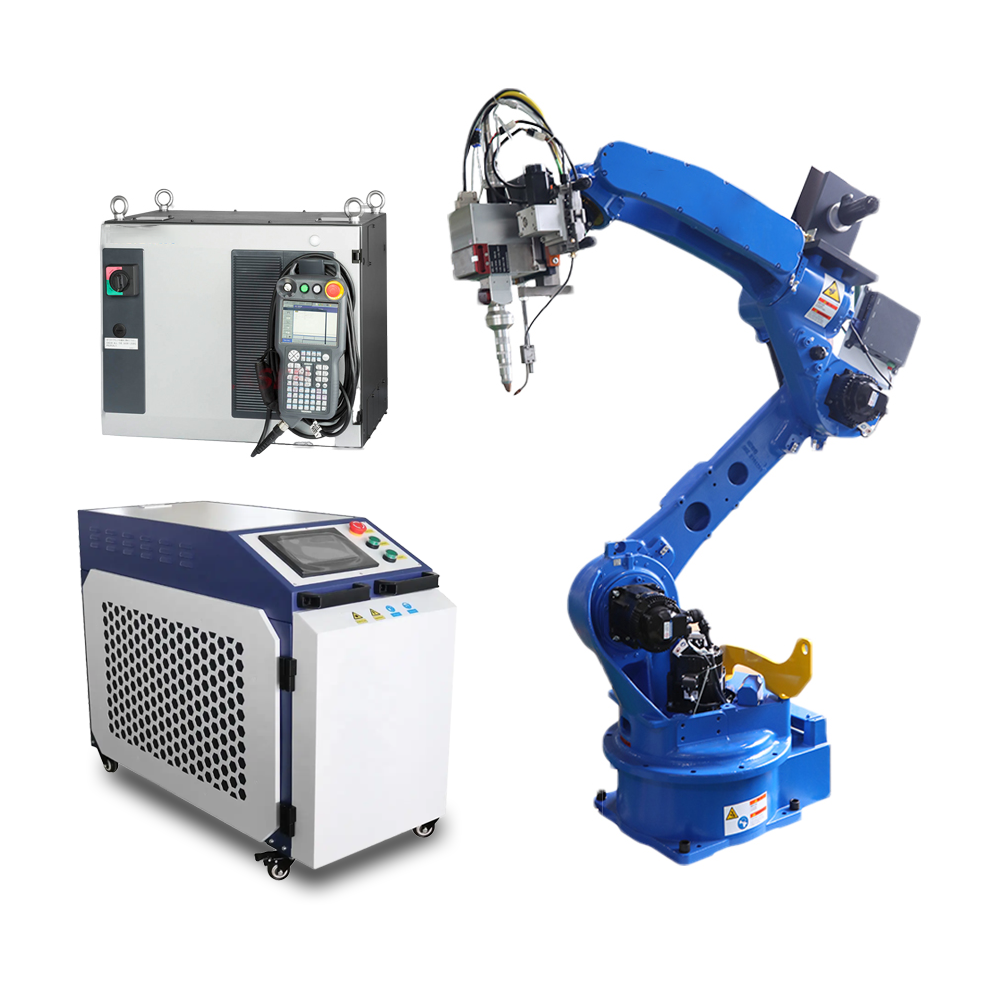
Porosity in Robot Welding: Gas, Contamination, and Flow Optimization
Shielding Gas Coverage and Flow Verification
Poor shielding gas coverage ranks among the top reasons for porosity issues when using robotic welders. Check those flow rates around 15 to 25 cubic feet per hour with proper flow meters, and watch that the nozzles stay aligned along the actual weld line. Little things matter here wind blowing across the work area, bent hoses, or even small leaks in the gas lines can mess up the smooth flow pattern, letting air containing nitrogen and oxygen get into the weld pool where it doesn't belong. Make sure to look at all those hoses, connectors, and those screen filters every three months or so to keep things running smoothly. Keep that distance between nozzle tip and work piece under half an inch consistently throughout the job to maintain good protection for the weld as it forms.
Contamination Sources: Moisture, Oil, and Base Metal Impurities
When contaminants get into the mix, they release those pesky volatile gases during solidification which end up creating all sorts of annoying pores in the weld. Where do these troublemakers come from? Well, think about moisture that sticks to electrodes or base metals when working in damp conditions. Don't forget about those leftover oils and greases from machining operations or just regular handling either. And let's not overlook surface oxides or mill scale that naturally form on steel and aluminum surfaces. Before starting any welding job, it pays to give those joint areas a good scrub down using proper degreasers along with some sturdy stainless steel brushes. Many welders skip this step thinking it's optional, but trust me, it makes a world of difference. For storing filler wires, keep them locked away in those climate controlled cabinets where temperatures stay between 10 to 40 degrees Celsius and humidity stays below 40%. This matters quite a bit for certain low hydrogen welding methods such as GMAW-S or FCAW where even small amounts of moisture can ruin everything.
The High-Flow Paradox: Why Excessive Shielding Gas Worsens Porosity
When there isn't enough shielding gas, contamination becomes a real problem. But push the flow past 30 cubic feet per hour and things get worse fast. The shielding zone starts pulling in ambient air through what welders call the venturi effect, even when there's absolutely no draft around. What happens? Coverage drops dramatically, sometimes as much as 40%. Most shops find sweet spots right around 20 to 25 CFH for their robotic GMAW setups. Pair that with good quality spatter resistant nozzles and those smooth bore liners makes all the difference. Keep an eye on how the weld looks during operation. If there's too much spatter flying around, or the bead looks rough instead of clean, or if the welding gun sounds off somehow, these are red flags pointing toward gas related porosity problems. Don't automatically blame voltage settings or travel speed first.
Wire Feeding Failures in Robot Welding Systems
Bird Nests and Burnback: Drive Roll Pressure, Wire Quality, and Tension Calibration
Around 23% of all robotic welding downtime comes from bird nests and burnback issues. Most feeding problems stem from wrong drive roll pressure settings. When pressure gets too high, it actually damages the wire and wears out liners faster. Not enough pressure? Then we get slippage and feeds that just don't work right. For proper calibration, follow what the equipment manufacturer recommends. A good trick is running the wire through a gloved hand while making adjustments until it moves smoothly without resistance. Quality matters too. Stick with wire that maintains consistent diameter within about 0.01 mm tolerance. Any bigger variation than that creates major instability over longer runs. Burnback prevention starts with keeping the contact tip about 10 to 15 mm away from the workpiece. Also important is matching wire feed speed closely to arc voltage levels. Even small voltage differences above plus or minus 1 volt can really boost the chances of burnback happening. The numbers tell the story too. Manufacturers lose roughly $740k every year for each hour their systems sit idle due to wire problems according to recent studies by Ponemon Institute back in 2023.
Liner, Nozzle, and Contact Tip Maintenance Best Practices
About 80 percent of those annoying wire jams we see are actually caused by worn out consumables. That means regular replacement matters a lot. Most shops find they need new liners somewhere between three to six months, or when they've used around 250 kg of wire. A good trick is to cut these liners about an extra centimeter longer than what fits on the torch itself this helps keep things from getting kinked where the wire enters. Keep an eye on contact tips too they should be checked at least once per hour for any build up of spatter or signs that they're starting to get oval shaped. Even something as small as a 0.2 mm increase in diameter can mess with the welding arc stability and lead to faster burn back issues. For nozzles, run a reamer through them roughly every forty welds and don't forget to spray some anti-spatter stuff on there regularly, though not too much obviously. These maintenance tasks really make all the difference in keeping operations running smoothly day after day.
- Alignment checks: Confirm all wire guides—from spool hub to contact tip—form a straight, unobstructed path
- Drive roll inspection: Clean grooves weekly and replace rolls if groove depth exceeds 0.5 mm
- Moisture control: Store wire in temperature- and humidity-controlled environments (10–40°C, <40% RH)
Neglecting these practices shortens consumable lifespan by up to 70% and triples defect rates.
TCP Drift and Its Impact on Robot Welding Accuracy
When a robot's welding tool starts drifting away from where it was supposed to be, we call this Tool Center Point (TCP) drift. What happens next? Misaligned welds, uneven penetration depth, and lots of expensive rework. According to industry stats, if the deviation goes beyond about half a millimeter, defect rates jump by around 25% in high precision work like automotive frame assembly or battery housing welding. There are several reasons why this happens. First off, gears and joints just wear down over time. Then there's the heat factor - machines expand when they run for long periods. And let's not forget about those little collisions nobody notices until later. Thermal changes alone can build up positioning errors between 0.1 and 0.3 mm after about 100 hours of operation, even if nothing looks broken on the surface.
To prevent problems before they happen, regular checks of the TCP are necessary. Most shops schedule these checks with either laser trackers or those fancy touch probe systems. They also need some kind of real time monitoring setup that will send warnings when measurements start drifting past 0.3 mm tolerance. Experience shows that doing full recalibrations around every 200 hours of operation cuts down on drift related issues by roughly 40%, which means less downtime and longer lasting equipment overall. Getting TCP right matters way more than just keeping coordinates accurate. The TCP affects everything from how welds look to where heat gets distributed during the process, plus how well parts fit together between passes. For manufacturers running large volumes day after day, getting this right is absolutely critical for making strong, reliable joints.
Spatter-Induced Downtime and Consumable Degradation in Robotic Welding
Too much spatter buildup really hurts how well robots can weld, mainly because of two problems that go hand in hand: parts wearing out faster than they should and unexpected machine stoppages. Molten spatter sticks to the nozzles and contact tips, creating a kind of heat barrier that makes components run hotter than they're designed for. This causes uneven wear patterns in the contact tips, known as keyholing, and increases the risk of something called burnback, which is basically when the electrode melts back unexpectedly. At the same time, all this spatter gets stuck in the shielding gas ports. This messes with the smooth flow of gas around the weld area, and according to those quality checks across the industry, it actually makes pores appear in the weld metal at rates between 15% and 22%. That's not good news for anyone wanting strong, reliable welds.
Nozzle Reamer Performance, Cleaning Frequency, and Spatter Buildup Detection
Optimizing anti-spatter performance hinges on balancing three interdependent variables:
| Factor | Performance Metric | Failure Risk |
|---|---|---|
| Reamer stroke depth | Full nozzle bore coverage | Residual spatter in recessed areas |
| Cleaning frequency | Every 15–30 weld cycles | Carbonized spatter requiring torch removal |
| Detection method | Laser sensors or camera AI | Unnoticed buildup blocking gas ports |
Putting automated reamers together with real time cleanliness checks works best for keeping things running smoothly. When systems actually verify tip and nozzle condition after every cleaning run, they cut down on those annoying spatter related shutdowns by about 40 percent over just following a fixed schedule for maintenance. Look at it this way: nobody wants their production line grinding to a halt because some tiny piece got dirty. Now when dealing with really important operations, combine layer voltage monitoring which spots arc instability problems from spatter buildup with those fancy high resolution cameras that inspect nozzles closely. This creates backup protection so unexpected equipment failures don't happen as often.
FAQ
What is the main cause of porosity in robot welding?
Poor shielding gas coverage is a leading cause of porosity in robotic welding. Factors like wind, bent hoses, or leaks can disrupt the gas flow, allowing unwanted air to enter the weld pool.
How can contamination affect the quality of welds?
Contaminants like moisture, oil, and base metal impurities release gases during solidification that create pores in the weld, negatively affecting its quality.
What is the high-flow paradox in welding?
Excessive shielding gas flow can worsen porosity due to the venturi effect, which pulls in ambient air and decreases coverage.
How can I prevent bird nests and burnback in wire feeding?
Ensure proper drive roll pressure, use quality wire with consistent diameter, and match wire feed speed to arc voltage levels to prevent bird nests and burnback.
How does TCP drift impact welding accuracy?
TCP drift causes misaligned welds and uneven penetration, leading to defects and costly rework, especially in precision work.