 EN
EN



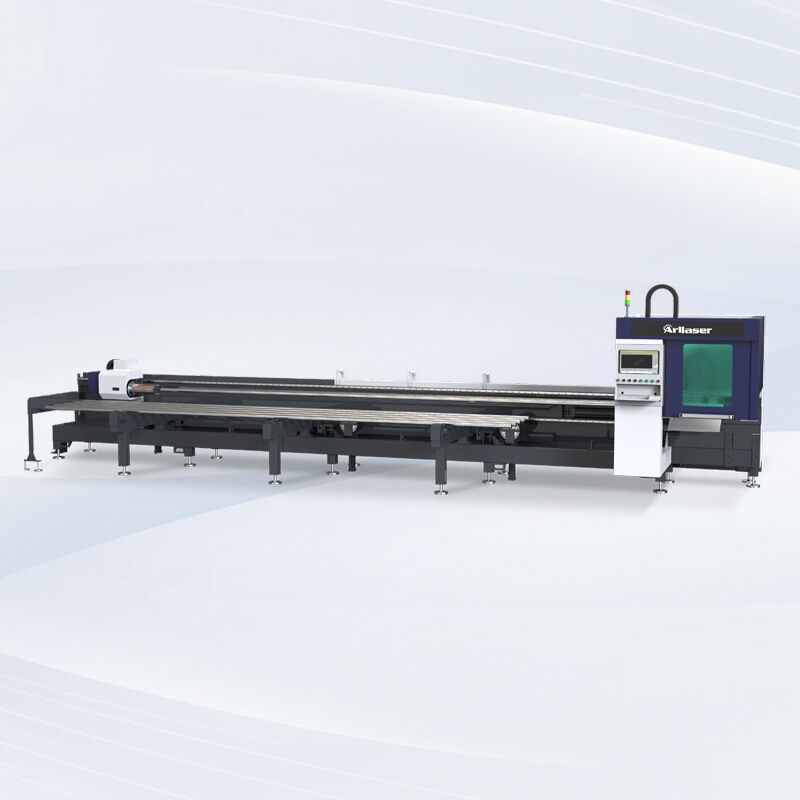
Faster Processing Speeds and Sub-Millimeter Accuracy
How laser cutting machines reduce cycle times versus mechanical methods
Laser cutters can process thin metals at speeds around 5 times faster than traditional mechanical methods because they work without touching the material. This means there's no friction from tools rubbing against metal, no waiting for heavy machinery to stop moving, and definitely no slowdown caused by worn out parts. When we look at actual shop floor results, complex automotive shims that fit between engine components get cut in just under 2 minutes flat. Try doing that with old school milling or stamping equipment which takes over 10 minutes for the same job. Across different sectors like aircraft production, electronic component making, and even surgical instrument fabrication, shops report cutting times drop roughly 70% on average when switching to lasers. And since there's no need to swap out cutting tools during operation, most facilities find their machines running almost constantly throughout shifts, which obviously boosts overall productivity numbers significantly.
| Performance Metric | Mechanical Methods | Laser Cutting |
|---|---|---|
| Accuracy Tolerance Range | 0.1–0.5 mm | ±0.05 mm |
| Thin-Metal Speed | Moderate | Very High |
| Tooling/Setup Delays | Frequent | Near-Eliminated |
| Consumable Costs | High (bits, coolants) | Minimal (focused energy) |
CNC-controlled beam positioning and consistent feed rates ensure repeatability
CNC systems control where beams focus their energy with around 0.05 mm accuracy, which means parts made in different production runs look almost exactly the same. The servo motors that move things around keep feeding materials at just the right speed even when working with different densities of material. Mechanical tools tend to get worse over time as they wear down, but laser optics stay sharp and accurate for thousands of hours operation. Factory tests on mass produced tiny parts show that these systems hit target dimensions 99.8% of the time. That kind of consistency matters a lot in fields like semiconductor manufacturing or making medical implants where differences measured in micrometers can make all the difference between success and failure.
Streamlined Setup and Automated Workflow Integration
Laser cutting machines dramatically accelerate production readiness by minimizing setup complexity. Advanced automation features transform traditionally time-consuming preparation into rapid, repeatable processes—reducing changeover time and human error while strengthening integration into digital manufacturing ecosystems.
Auto-focus, nesting software, and quick-change tooling cut job changeovers to under 90 seconds
- Auto-focus systems instantly calibrate beam focal distance for varying material thicknesses—removing manual height adjustments.
- Nesting software automatically optimizes part placement on raw sheets, maximizing material utilization without operator input.
- Quick-change tooling enables swapping of cutting heads or fixtures in seconds—not minutes—supporting agile, multi-part production schedules.
Together, these features compress non-cutting setup time between jobs to under 90 seconds.
Seamless CAD/CAM-to-laser cutting machine CNC workflow eliminates manual programming delays
Direct digital transfer from design to production removes bottlenecks. Once finalized in CAD:
- CAM software generates optimized cutting paths and machine instructions;
- These instructions transfer directly to the laser’s CNC controller via secure network integration;
- Machine parameters—including power, speed, and assist gas—are auto-configured using embedded material databases.
This closed-loop digital chain bypasses error-prone manual programming and data re-entry, enabling immediate job start after file transfer.
Superior Cut Quality and Design Freedom Enable Right-First-Time Manufacturing
Laser cutting delivers unmatched precision and versatility—making first-pass success the standard, not the exception. That reliability translates directly into accelerated assembly, reduced scrap, and expanded innovation capacity.
Tight tolerances (<±0.1 mm) and burr-free edges reduce secondary finishing by up to 40%
CNC-controlled optics deliver clean, thermally stable cuts—free of distortion, dross, or micro-burrs. As a result, grinding, deburring, and manual edge correction—traditionally consuming 30–40% of production time—are often unnecessary. Consistent edge quality ensures precise fit during assembly, lowering rejection rates and accelerating downstream operations.
Micro-cutting capability expands design options without retooling or process redesign
Laser beams can produce features down to about 0.1 mm in size which makes possible things like tiny vents, detailed engravings, smooth curved shapes, and intricate lattice patterns that just cant be done using traditional machining techniques. When working on their computer designs, engineers have much more freedom because they know whatever complicated shapes they create in CAD software will actually work when making real products. There's no need for expensive new molds, alignment tools, or adjusting machine paths either something that usually takes weeks and costs a fortune with old school manufacturing methods.
Lower Operational Costs Through Optimized Material Use and Minimal Tooling
Dynamic nesting algorithms boost sheet metal yield by 12–18% per run
Laser cutting today saves money in several ways, mainly because it optimizes materials better and doesn't need any dies or tools. The software used for this actually looks at how parts are shaped and arranges them on sheets with incredible accuracy down to fractions of a millimeter. Industry data shows this cuts waste by around 12 to 18 percent each time we run a job. For expensive metals like titanium or stainless steel, those small percentage gains really add up over the course of a year. Since lasers don't touch the material directly during cutting, there's no need to spend on special tools or deal with the downtime when switching between jobs. When designs change, we can just update the settings right away without waiting for new tooling. The machine handles complicated shapes automatically thanks to smart programming that figures out the best cutting order. Plus, the laser equipment itself doesn't require much maintenance compared to traditional methods. All these factors together mean that as production scales up, the cost per individual part keeps going down, making large scale manufacturing much more economical.
FAQ
Why are laser cutting machines faster than mechanical methods?
Laser cutters operate without touching the material, eliminating friction and reducing cycle times, especially for complex designs.
How accurate are laser cutters compared to traditional methods?
Laser cutters achieve sub-millimeter accuracy, typically ±0.05 mm, compared to mechanical methods, which have a tolerance range of 0.1–0.5 mm.
What features make setup with laser cutting machines more efficient?
Auto-focus systems, nesting software, and quick-change tooling minimize setup time, making job changeovers possible in under 90 seconds.
Can laser cutting machines handle complex designs?
Yes, their precision and micro-cutting capability enable intricate designs without retooling or extended setup time.