 EN
EN



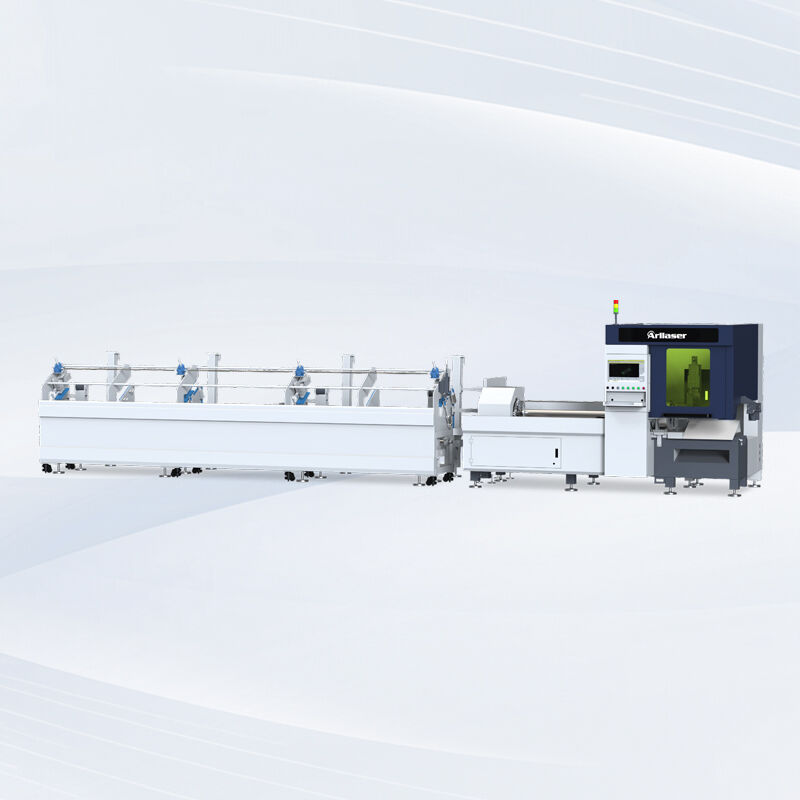
Understanding Common Laser Cutting Machine Tube Quality Issues
Burrs, Dross, and Surface Roughness: Causes and Quick Fixes
When working with lasers, surface issues such as burrs, dross formation, and rough edges typically come down to three main problems: incorrect laser focus alignment, poor balance between power and cutting speed, or fluctuating assist gas pressure levels. If the machine runs too slowly while using maximum power output, we end up with excess molten material pooling at the bottom (what everyone calls dross). And when the laser isn't properly centered on the tube's axis during operation, it creates those annoying irregular burrs along the cut edge. Edge roughness? That usually happens because the nozzle gets dirty over time or wears out completely, messing up the gas flow pattern. To fix things quickly, first check if the focal point sits exactly at the center of the tube geometry. Then tweak power settings and cutting speeds gradually, maybe in around 10% steps until things look right. Don't forget to double check the assist gas pressure against what works best for specific materials and their thickness. These adjustments matter a lot - even small mistakes can really add up when making precision cuts on tubes day after day.
Thermal Burning and Discoloration: Identifying Power–Speed–Material Mismatches
When we see thermal damage showing up as those telltale blue or gold colors, black spots, or areas where the metal just looks oxidized, it usually means there's some kind of mismatch between what the laser is doing and the actual metal properties. Take stainless steel tubes smaller than 3 mm for instance they need way less power compared to regular carbon steel if we want to prevent all that ugly discoloration from heat. And watch out when using oxygen assist gas on non-ferrous metals or stainless steel because this tends to make oxidation problems even worse. Running the machine too slowly or cranking up the power too much will push surface temps past what's safe. To figure out what went wrong, start by looking at those cut edges closely. If they turn blueish, that's a sign of overheating. Dark patches typically mean there was too much oxygen exposure during cutting. Fixing these issues generally means backing off the power setting by around 20 percent, gradually speeding things up, and swapping to an inert gas like nitrogen when working with reactive or corrosion resistant materials. Before making any changes to production runs, always test out new settings first on scrap pieces that match the actual wall thickness, diameter, and temper state of the real parts being manufactured.
Preventing Tube Deformation and Dimensional Inaccuracy
Managing Heat Accumulation in Thin-Walled Tubes
Thin walled tubes measuring less than 1.0 mm tend to warp when exposed to heat because they simply don't have enough mass relative to their surface area. When working with these materials, many technicians find that dropping the laser power around 15 to 20 percent while speeding up the cutting process helps manage heat better without messing up the edges. Stainless steel below 0.8 mm thickness responds particularly well to pulsed laser settings where the machine spends less time on each spot. These pulses can cut down peak temperatures by roughly 30% compared to constant beam operation, which makes a big difference in preventing those annoying buckles. Some important tricks involve blasting nitrogen gas at pressures between 18 and 22 bar during carbon steel cuts to cool things off fast, plus varying how we approach different sections of the material. Maybe start from opposite ends or work through segments in a non sequential pattern. According to a recent article in Fabricating and Metalworking from last year, shops implementing all these techniques saw warping issues disappear in about seven out of ten thin wall jobs they tried them on.
Ensuring Stable Clamping and Accurate Alignment for Consistent Cuts
Getting accurate dimensions really depends on keeping things mechanically stable when making cuts. Self centering chucks that let operators adjust the clamping pressure between 5 to 50 Newtons per square centimeter hold tubes securely without damaging their surfaces or causing stress related deformations. When the tube axis is aligned within just 0.1 degrees of where the laser beam travels, there's no angular drift which otherwise causes those annoying plus or minus 0.5 mm errors in tubes longer than 2 meters. Special fixtures come into play for bent or oval shaped tubes too. These kinematic setups use conical locators to keep contact points consistent as the material rotates. A study published last year in the Journal of Materials Processing Technology showed these kinds of systems can maintain a repeatability of around 0.05 mm tolerance even after hundreds of cut cycles, sometimes going beyond 500 before needing recalibration.
Avoiding Laser Cutting Head Collisions and Piercing Failures
Optimizing Path Planning and Fixture Design for Curved Tubes
Most problems with collisions and pierced parts happen when there's not enough path simulation or when fixtures aren't flexible enough for curved tubes. The good news is modern CAM software now has this cool feature where it shows exactly where the cutting head will be in relation to those complicated tube shapes before anyone even starts cutting metal. When setting up the machine, operators need to carefully plan where the tool enters and exits the material so it doesn't run over weak spots or already damaged areas. Some shops leave tiny bridges in the cut area called micro-joints which helps keep everything stable when rotating parts around. For fixtures themselves, newer models come with sensors that actually adapt to how the tube looks as it spins, keeping that crucial distance between nozzle and surface consistent throughout operation. And don't forget about those 3D nesting programs either they tweak the starting power levels depending on what part of the curve we're dealing with. All these improvements together mean fewer unexpected shutdowns from crashes or bad pierces, saving both time and money in production runs.
Essential Setup, Software, and Maintenance Practices for New Operators
Verifying Parameters and Diagnosing Errors in Tube Cutting Software
Getting the parameters right matters a lot because small differences between what's programmed and actual material characteristics can lead to problems like dimensional inaccuracies, bad edge quality, or complete failure when piercing materials. Operators should always double check things like cutting speeds, laser intensity settings, the kind and pressure of assist gas used, plus where the focal point sits before starting any job. Many newer tube cutting programs come equipped with built-in diagnostics that spot issues with focal length being off, nozzles not aligned properly, or paths going off track. These kinds of problems account for around a quarter of all piercing failures according to Laser Systems Journal from last year. For those tricky jobs involving curves or thin walls, having real time monitoring makes all the difference in catching instability early on. Keeping detailed records digitally about how parameters change across different batches helps establish consistent processes over time.
Routine Preventive Maintenance: Optics, Cooling, and Mechanical Integrity
Regular preventive maintenance keeps systems running accurately, consistently, and lasts longer overall. Weekly cleaning of optical parts with approved solvents is essential since dirty lenses can actually scatter laser energy and create excess heat buildup, which often leads to component damage and unwanted residue. Checking water chiller temps once a month makes sense too because if temperatures stay too high beyond what's recommended, cutting performance drops significantly around 40% in some cases. For mechanical components, it pays to look at drive rails, gears, and those linear guides every three months or so for signs of grit accumulation or wear spots. Don't forget to adjust clamping pressure settings periodically as well to avoid any slippage problems when things spin at high speeds. Most experienced operators stick to these basic maintenance routines as their foundation for keeping equipment in good working order.
- Daily: Inspect assist gas lines, filters, and pressure regulators for leaks or blockages
- Weekly: Clean lens assemblies, purge assist gas channels, and verify nozzle concentricity
- Monthly: Lubricate motion systems, check belt tension, and revalidate mechanical alignment
FAQs
What causes burrs and dross in laser cutting machines?
Burrs and dross typically result from incorrect laser focus alignment, poor power and speed balance, or fluctuating assist gas pressure. Proper settings and maintenance can help mitigate these issues.
How can thermal burning and discoloration be avoided?
Thermal burning and discoloration occur from power-speed-material mismatches. Reducing power, increasing speed, and using inert gases like nitrogen can help avoid thermal damage.
What are effective ways to prevent tube deformation?
Managing heat by using lower laser power and faster speeds, especially in thin-walled tubes, along with using pulsed laser settings can prevent deformation.
Why are accurate dimensions important in laser cutting?
Ensuring stable clamping and accurate alignment is crucial for preventing dimensional inaccuracies, allowing for precise cutting and reduced errors.
How can collision and piercing failures be minimized?
Optimizing path planning with modern CAM software and using 3D nesting programs can minimize collision risks and piercing failures.
What routine maintenance practices help maintain laser cutting efficiency?
Regular cleaning of optics and cooling systems, along with mechanical integrity checks, are essential for maintaining efficiency and prolonging equipment life.
Table of Contents
- Understanding Common Laser Cutting Machine Tube Quality Issues
- Preventing Tube Deformation and Dimensional Inaccuracy
- Avoiding Laser Cutting Head Collisions and Piercing Failures
- Essential Setup, Software, and Maintenance Practices for New Operators
-
FAQs
- What causes burrs and dross in laser cutting machines?
- How can thermal burning and discoloration be avoided?
- What are effective ways to prevent tube deformation?
- Why are accurate dimensions important in laser cutting?
- How can collision and piercing failures be minimized?
- What routine maintenance practices help maintain laser cutting efficiency?