 EN
EN



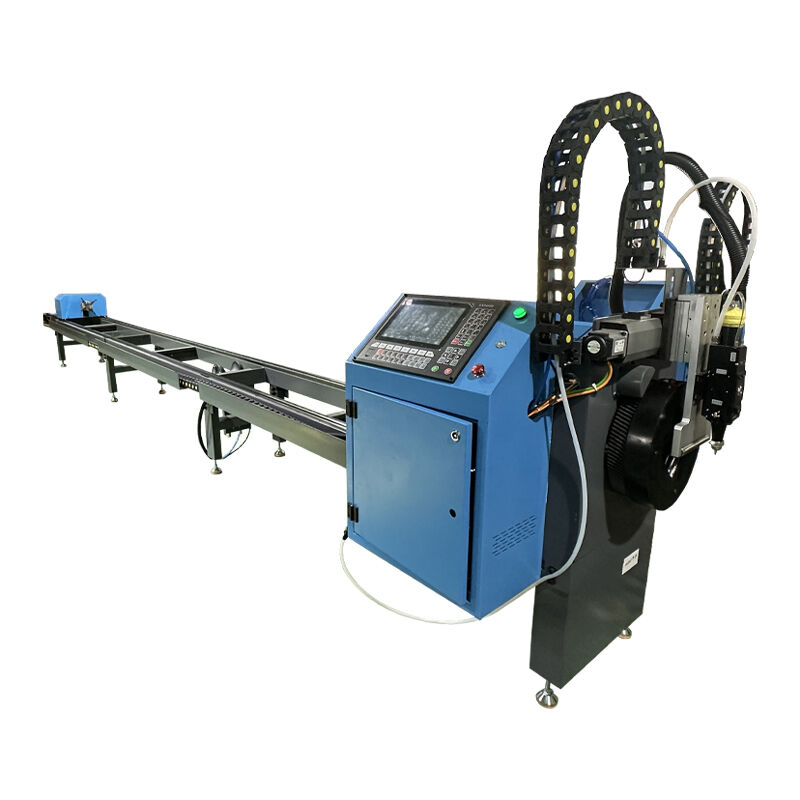
Daily Maintenance to Ensure Laser Cutting Machine Reliability
Lens and Mirror Cleaning Protocol to Prevent Beam Degradation
Daily optical maintenance directly impacts cut quality. Contaminated lenses scatter the laser beam, causing inconsistent kerf widths and reducing power density by up to 15% (Laser Systems Journal 2023). Follow this protocol:
- Use microfiber swabs with 99% isopropyl alcohol in circular motions
- Inspect mirrors under coaxial light for micro-scratches
- Replace protective covers immediately after cleaning
Maintain logbooks tracking degradation patterns; operators report 30% fewer beam alignment issues when cleaning precedes daily operations.
Bed Debris Removal and Air Assist Nozzle Inspection
Residual materials pose fire risks and compromise workpiece positioning. Before each shift:
- Vacuum metallic particles with magnetic extraction tools
- Verify air assist nozzles operate at 5–8 bar pressure
- Check nozzle concentricity using alignment gauges
Clogged nozzles increase dross adhesion by 40%, while debris accumulation causes 27% of thermal runaway incidents (Industrial Laser Safety Report 2023). Schedule nozzle replacements every 80 operating hours.
Weekly Precision Checks for Consistent Laser Cutting Machine Output
Cooling System Inspection and Focal Point Verification
It's important to check coolant levels at least once per week and ensure the chiller stays within about half a degree Celsius tolerance range to avoid thermal lensing issues that often lead to distorted beams. Don't forget to look over all the hoses for any signs of leakage while cleaning those radiator fins too since poor cooling performance might actually cut down on precision by around 0.2 millimeters. When verifying where the focal point sits, calibration targets come in handy for confirming proper beam alignment. And remember to install some sort of temperature compensation system if possible because materials tend to expand when running for long periods anyway.
Rail, Bearing, and Z-Axis Lubrication with Torque-Specific Guidelines
Apply manufacturer-specified lubricants to linear guides and ball screws using torque-controlled tools. Over-lubrication attracts debris, while under-lubrication increases friction—both causing positioning drift. Proper torque application reduces axis deviation by 67%. Prioritize Z-axis components, where vertical stability directly impacts piercing consistency.
Fume Extraction System Check and Air Filter Replacement Thresholds
Test airflow velocity at extraction points weekly; static pressure drops exceeding 15% indicate clogged ducts. Replace HEPA filters at 90% capacity saturation—delaying replacement risks particulate buildup on optics, degrading beam power by 2% weekly. Validate spark arrestor function to prevent combustion hazards. These measures maintain stable environmental conditions for operational reliability.
Monthly Thermal & Environmental Management for Stable Operation
Coolant Replacement Intervals and Chiller Temperature Monitoring (±0.5°C Tolerance)
Coolant should be changed roughly once to three times per year depending how hard the system runs and what the maker recommends. Dirty fluid cuts down on heat transfer efficiency by around 40 percent, which wears out parts faster over time. Check that the chiller maintains stable temperatures within half a degree Celsius using properly calibrated equipment. If readings drift outside this window, it might point to problems such as refrigerant escaping or pumps not working right these issues lead to things like thermal distortion in optics and reduced power levels from the system. Keeping records of temperature changes across weeks and months makes it possible to spot early signs of trouble long before anything actually breaks down completely.
Exhaust Duct Integrity and Static Pressure Drop Validation
Check those exhaust ducts at least once a month looking out for any cracks, loose connections, or build up of grime that might block airflow. Small leaks in the system can really cut down on how well it works, letting dangerous fumes hang around where they shouldn't. When checking the filtration system, grab a manometer to measure the static pressure drop. If it goes up about 15% compared to what's normal, that means filters are probably clogged and need replacing right away. Good airflow isn't just about keeping things clean either. It actually helps prevent optical issues during cutting processes, cuts down on fire hazards, and keeps laser cuts accurate since there's less smoke getting in the way of the beam.
Annual Professional Servicing and Safety Compliance for Long-Term Laser Cutting Machine Health
Laser Alignment, Calibration, and Critical Component Replacement
Getting regular professional service for laser cutters helps maintain both accuracy and equipment lifespan over time. Skilled technicians check and adjust the laser alignment while calibrating all the optical components these are jobs that need real expertise to get right. When things go out of whack, it affects how well the machine cuts materials, sometimes dropping efficiency by as much as 40%. During service visits, techs put key parts such as laser tubes, various lenses, and the entire motion system through rigorous stress tests. Any components showing wear get swapped out according to specs from the manufacturer. The bottom line is that sticking to scheduled maintenance keeps expensive breakdowns at bay. Industry stats back this up too machines that receive proper care typically last around 70% longer between major overhauls compared to neglected ones. That kind of difference adds up when looking at long term operational costs.
Safety Interlock Verification, Fire Suppression Readiness, and Operator Training Audit
Keeping up with safety regulations isn't optional if we want operations running smoothly. Technicians who are properly certified check out those emergency stop circuits, make sure door interlocks work right, and verify beam containment systems meet ANSI Z136 specs. When it comes to fire suppression systems, they test both pressure levels and how well nozzles spray water because about one quarter of all laser workshop accidents start with something catching fire. Training records need regular checking too so employee skills match what OSHA actually requires. Workers should take refresher classes at minimum once every five years, including actual practice sessions when dealing with Class 3B or 4 lasers specifically. And don't forget to keep thorough records on all safety certificates plus service reports for everything that gets checked.
FAQ Section
What are the consequences of not cleaning the laser machine lenses daily?
Failure to clean the lenses daily can result in scattered laser beams, inconsistent cuts, and reduced power density.
Why is it important to vacuum metallic particles from the bed?
Vacuuming metallic particles reduces fire risks and ensures precise workpiece positioning.
How often should the coolant in the laser cutting machine be changed?
Coolant should be replaced one to three times per year, depending on usage and manufacturer recommendations.
What should be done during annual professional servicing?
Annual servicing includes laser alignment, calibration, and replacement of critical components to prolong the machine's lifespan and maintain accuracy.