 EN
EN



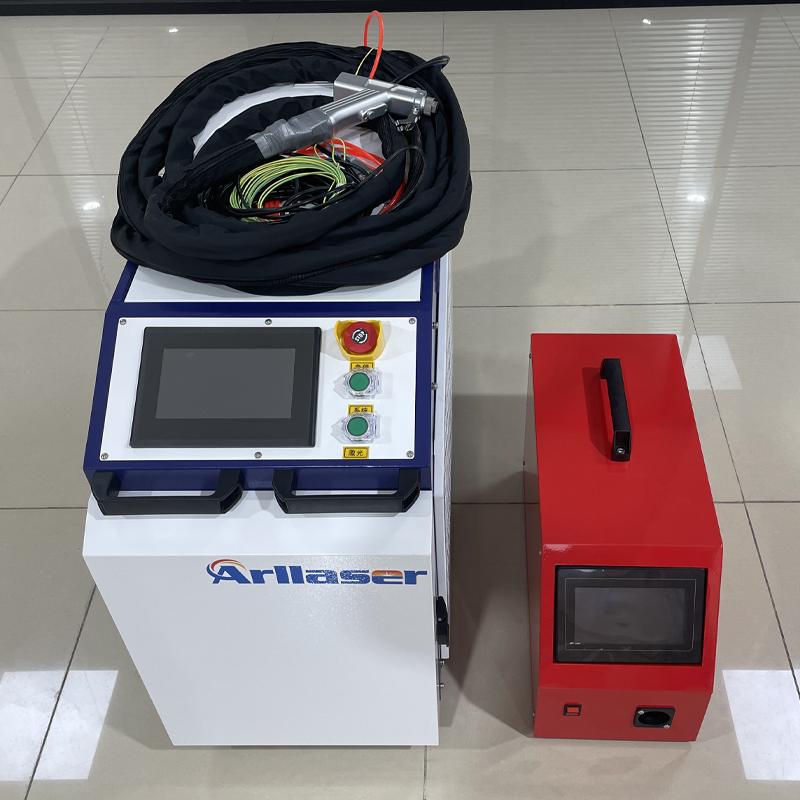
How Handheld Laser Welders Enhance Speed and Precision in Metalworking
The Rise of High-Speed Joining in Modern Manufacturing
Industrial manufacturers are finding that handheld laser welders can boost weld speeds by anywhere from 5 to 10 times compared to old school MIG or TIG techniques. This speed advantage is really helping companies keep up with the growing need for quick prototypes and just-in-time manufacturing, especially in the fast paced automotive and aerospace industries. Arc welding has always been a pain because workers constantly had to tweak parameters during the process. Laser systems tell a different story though they maintain steady energy levels throughout, making them great for when companies want to customize products on a large scale. Shops that have switched to these handheld laser tools are seeing some impressive results. Project timelines get cut down by around 38%, and there's about 26% less wasted material since the lasers hit those joints so precisely. The savings add up pretty quickly across multiple projects.
Laser Technology Principles Behind Precision Welding
These systems concentrate energy into tightly focused beams (0.1–1 mm diameter), enabling deeper penetration with minimal heat input. Key features driving precision include:
- Beam collimation: Maintains focus across variable working distances
- Pulse modulation: Enables microsecond-level control, ideal for thin materials
- Thermal monitoring: Prevents warping in heat-sensitive alloys
Metallurgical analysis confirms that laser welding produces heat-affected zones (HAZ) 83% smaller than arc welding, resulting in cleaner seams that require up to 90% less post-weld grinding.
Case Study: Doubling Throughput in Automotive and EV Production Lines
A leading EV battery tray manufacturer transitioned to handheld laser welders for aluminum casing assembly, achieving significant improvements:
| Metric | Before Laser | After Laser | Improvement |
|---|---|---|---|
| Weld Speed | 12 cm/min | 85 cm/min | 608% |
| Defect Rate | 4.1% | 0.7% | 83% |
| Tooling Change Time | 45 minutes | 8 minutes | 82% |
The portability of the system allowed operators to access complex 3D joints without repositioning heavy components, reducing workstation footprint by 40%. Within six months, production capacity increased by 112%.
Advantages of Handheld Laser Welders Over Traditional MIG/TIG Methods
Precision, Cleanliness, and Reduced Heat Distortion Compared to Conventional Welding
Handheld laser welders work with beam sizes around 0.1 to 0.5 mm, giving them much better precision compared to traditional MIG or TIG welding methods where the arc spread is usually between 3 and 8 mm. Because the laser focuses so tightly, it cuts down on heat input by roughly 70 to 85 percent. This means less warping happens when working with thin metal sheets that are 2 mm thick or less. For car body panels specifically, some industry reports indicate about an 80% drop in needing to straighten parts after welding since the heat zone affected is so narrow. Another big plus is that there's no spatter or smoke produced during the process. This makes laser welding ideal for places like cleanrooms used in making medical equipment or aircraft components where contamination control is critical.
Lower Post-Weld Cleanup and Maintenance Requirements
Workers typically save around 25 to 40 minutes each shift when they don't have to deal with all that grinding, slag removal, and polishing work. The surface finish from laser welding comes out pretty smooth right off the machine, measuring between Ra 1.6 and 3.2 micrometers. Compare that to traditional methods like MIG or TIG welding where surfaces often need a lot of post-processing because they come out much rougher at Ra 12.5 to 25 micrometers. According to industry research published last year, fabricators saw their consumable expenses plummet by about 92%. No more constantly replacing those gas nozzles, contact tips, or buying all that extra filler wire anymore either.
Situational Limitations: When MIG/TIG May Still Be Preferred
When working with thick carbon steel pieces over 6mm thick, MIG welding tends to be the more wallet-friendly option. Plus, it handles those messy, rusty surfaces that pop up so often during field repairs much better than other methods. For folks interested in creating custom designs though, TIG welding stays popular among artists who enjoy tweaking the amperage themselves to craft those beautiful decorative bead patterns. Money matters play a big role here too. Basic MIG setups typically cost anywhere between eight hundred bucks and two thousand five hundred dollars. But if someone wants to invest in serious equipment like industrial grade handheld laser welders, they're looking at spending fifteen grand as a starting point, sometimes even hitting forty thousand dollars for top-of-the-line models.
Weld Quality, Strength, and Material Versatility of Handheld Laser Systems
Achieving Stronger, Cleaner Joints with Focused Energy Input
Laser welds are up to 50% narrower than arc welds, with deeper penetration and reduced porosity. Their 0.1–0.3 mm beam focus limits HAZ width by 70% compared to TIG, preserving base material strength—essential for aerospace and automotive structural components.
| Feature | Handheld Laser Welding | Traditional Welding |
|---|---|---|
| Tensile Strength | 580–650 MPa (steel) | 480–550 MPa (MIG on steel) |
| HAZ Width | 0.5–1.2mm | 2.5–4mm |
| Porosity Rate | <0.8% | 2–5% |
Welding Challenging Materials: Steel, Aluminum, Copper, and Bimetallic Combinations
Handheld laser systems today work with everything from thin copper foils just half a millimeter thick all the way up to carbon steel plates measuring eight millimeters. The latest data from the Industrial Laser Report shows these tools hit around 92 percent success on the first try when welding together different kinds of metal such as stainless steel and aluminum, which typically causes problems with regular welding methods because they tend to corrode each other over time. By using pulsed mode operation, operators can manage how much heat gets applied during the process, making sure nearby plastic parts stay cool enough at under 120 degrees Celsius so they don't melt or warp accidentally.
Overcoming Reflectivity and Thermal Conductivity in Non-Ferrous Metals
Aluminum and copper reflect up to 85% of near-infrared laser light (1 μm wavelength), historically limiting weld efficiency. Advanced systems now use:
- Blue-violet lasers (450nm) with four times better aluminum absorption
- Adaptive beam oscillation to disrupt oxide layers
- Real-time temperature control with ±5°C accuracy
In a 2023 EV battery case study, these innovations reduced aluminum weld defects by 60% and doubled copper welding speeds using anti-spatter gas mixtures.
Integration with Automation and Cobots for Smart Industrial Workflows
Seamless Integration of Handheld Laser Welders with Collaborative Robots
More and more manufacturers these days are combining handheld laser welders with those collaborative robots we call cobots. The result? Better precision and way more flexibility in production. These cobots come with built-in vision systems that let them tweak laser settings automatically depending on how thick the material is or what shape the joint needs to be. Setup times get cut down significantly because of this smart adjustment feature. What makes these systems really stand out is their programmable interfaces paired with real time sensor data. When switching between different products, changeovers happen much faster than with traditional fixed automation setups. Some factories report cutting downtime by almost half when they make the switch from old school machines to this newer cobot technology.
Hybrid Operations: Combining Human Flexibility with Robotic Accuracy
When it comes to hybrid workflows, they basically mix what humans do best with what robots can handle consistently. Technicians take care of things like aligning parts and checking quality, while collaborative robots get down to business doing those super precise welds over and over again at a microscopic level. This setup really shines when working on custom projects because it allows for adjustments on the fly but still maintains that rock solid precision throughout. Safety in the workplace gets a boost too since workers aren't constantly exposed to intense heat or dealing with repetitive motions that can lead to injuries. Plus, this approach actually helps increase production speed without sacrificing the quality of workmanship.
Industry-Specific Applications and Productivity Gains
Aerospace and Aviation: Meeting Stringent Quality and Safety Standards
The aerospace industry has seen some impressive results from handheld laser welders lately. These devices create joints with about 30% less heat distortion compared to traditional arc welding techniques, as reported by the Aerospace Manufacturing Review back in 2023. The improved precision really matters for meeting those tough FAA specs on fracture toughness, which sit around 150 MPa root m or higher when working with advanced alloys in critical areas like engine mounts and fuel system components. What makes this technology stand out is how it minimizes porosity issues, so there are no leaks in pressurized parts. That kind of reliability is exactly what aviation needs given their strict zero defect policy across all aircraft manufacturing processes.
Construction and On-Site Metal Fabrication: Portability and Rapid Assembly
The compact design of handheld laser systems enables on-site welding of structural connections and architectural elements. Field crews report 40% faster assembly by eliminating gas cylinder handling and electrode changes. These portable units reduce delays during bridge maintenance and modular construction, where immediate adjustments are often necessary.
ROI and Efficiency: How Speed and Uptime Improve Operational Performance
Handheld laser systems can reach welding speeds around 20 mm/s and operate almost continuously, which cuts down on project timeframes by roughly 15 to 25 percent according to field reports. Real world testing indicates that workers spend about 8 to 12 percent less money on labor for each item produced when these lasers are used instead of traditional methods. Maintenance bills also take a big hit, coming in at only about a third of what they would be with standard MIG or TIG equipment. What makes this technology so valuable is how quickly it works combined with the fact that there's hardly any cleanup needed after welding. This kind of efficiency really pays off in manufacturing settings where companies produce many different products but not huge quantities of each one.
FAQs
What are handheld laser welders?
Handheld laser welders are portable devices that use concentrated laser beams for precision welding, offering faster and cleaner welds compared to traditional methods.
Why should manufacturers switch to handheld laser welders?
Manufacturers benefit from faster weld speeds, reduced waste, cleaner seams, and a decrease in project timelines—all while maintaining high precision and quality.
Are handheld laser welders easy to integrate with existing production systems?
Yes, handheld laser welders can be seamlessly integrated with collaborative robots and automated workflows for increased efficiency and reduced downtime.
What materials can be welded with handheld laser systems?
Handheld laser systems are versatile and can weld materials like steel, aluminum, copper, and various bimetallic combinations.
What are the cost considerations for using handheld laser welders?
While the initial investment is higher than traditional welding setups, the long-term savings on consumables, maintenance, and labor costs make it a worthy investment.
Table of Contents
- How Handheld Laser Welders Enhance Speed and Precision in Metalworking
- Advantages of Handheld Laser Welders Over Traditional MIG/TIG Methods
- Weld Quality, Strength, and Material Versatility of Handheld Laser Systems
- Integration with Automation and Cobots for Smart Industrial Workflows
- Industry-Specific Applications and Productivity Gains
- FAQs